
Councils

STORY UPDATED
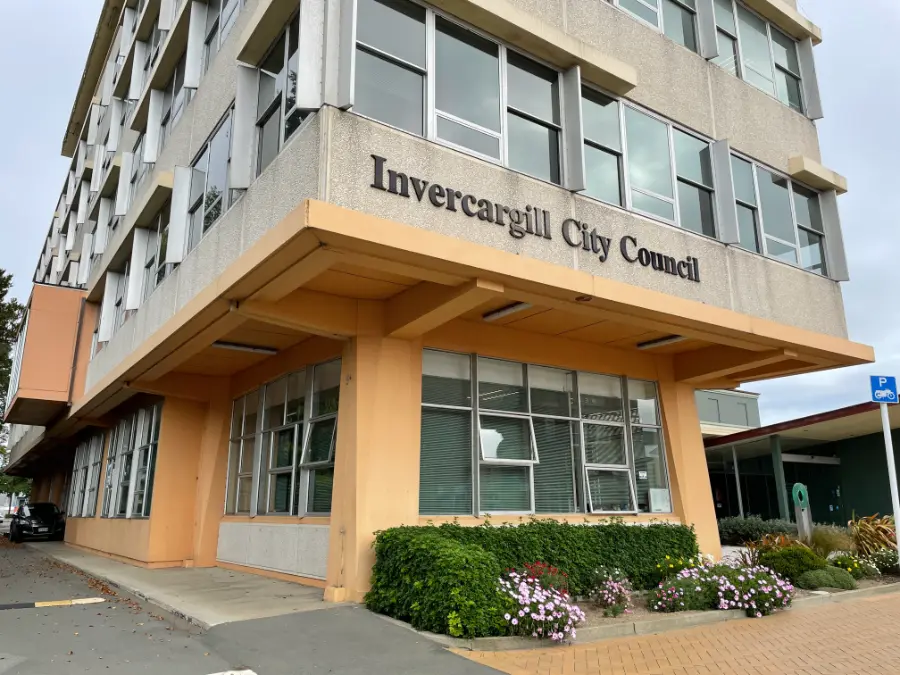
The Invercargill City Council has just signed off one of the lowest rates increases south of Christchurch, coming in at just over 7 percent.
But on Wednesday afternoon, the Central Otago District Council adopted its 2026-27 Annual Plan, slashing its rates from the projected 7.26 percent to just 6.34%.
At its monthly meeting on Tuesday, Invercargill Mayor Tom Campbell said out of 15 councils from Canterbury south, the average was 10.4 percent, “so we have done reasonably well to keep it down at that number.”
Council group manager finance and assurance Patricia Christie said the 7.03 percent average rates increase was below the forecast 8.43 percent rates increase in Council’s Long-term Plan (LTP) 2024-2034.
Council was in the third year of its LTP and had been forecast to return a balanced budget in 2026/27, however changes made during the 2025/2026 Annual Plan period – and the changes to fees and charges confirmed in May – meant this would be deferred until year five of the LTP, she said.
“This year was an unusual one for the Annual Plan, being the first one in five years that we haven’t gone out to consultation.”
She said that was because there were no significant issues and the proposed rates were lower than what was outlined in the LTP.
Mayor Tom said the average rates increase had risen slightly, as a result of changes to bus, pool, and car parking fees and charges.
The changes to fees were confirmed by council when it adopted its Fees and Charges Schedule 2026-2027 last month. Prior to this, the proposed rates increase for the upcoming financial year had been forecast at 6.93 percent, he said.
“Our community was integral in providing its feedback on how it wanted to see council balance taking a user-pays approach versus funding services through our rating base, during public consultation on our proposed Fees and Charges schedule,” he said.
Cr Andrea de Vries questioned what the implications were for not having a balanced budget.
Patricia said council was paying its operating costs by borrowing - much like using a credit card and then paying it back, to run its day to day services.
But under legislation, the council had a plan to pay it back as quickly as possible.
Mayor Tom clarified that they weren’t borrowing money as such, just not covering all of their depreciation costs.
“Challenging economic conditions throughout the globe are placing significant additional pressure on households, and on those of us within local government. The reality of how challenging the current fiscal environment is becomes quite apparent when you look at some of the rates increases throughout the country.
“Council has worked extremely hard to minimise our expenditure, while ensuring we can maintain the levels of service our community wants us to deliver,” he said.