
Councils
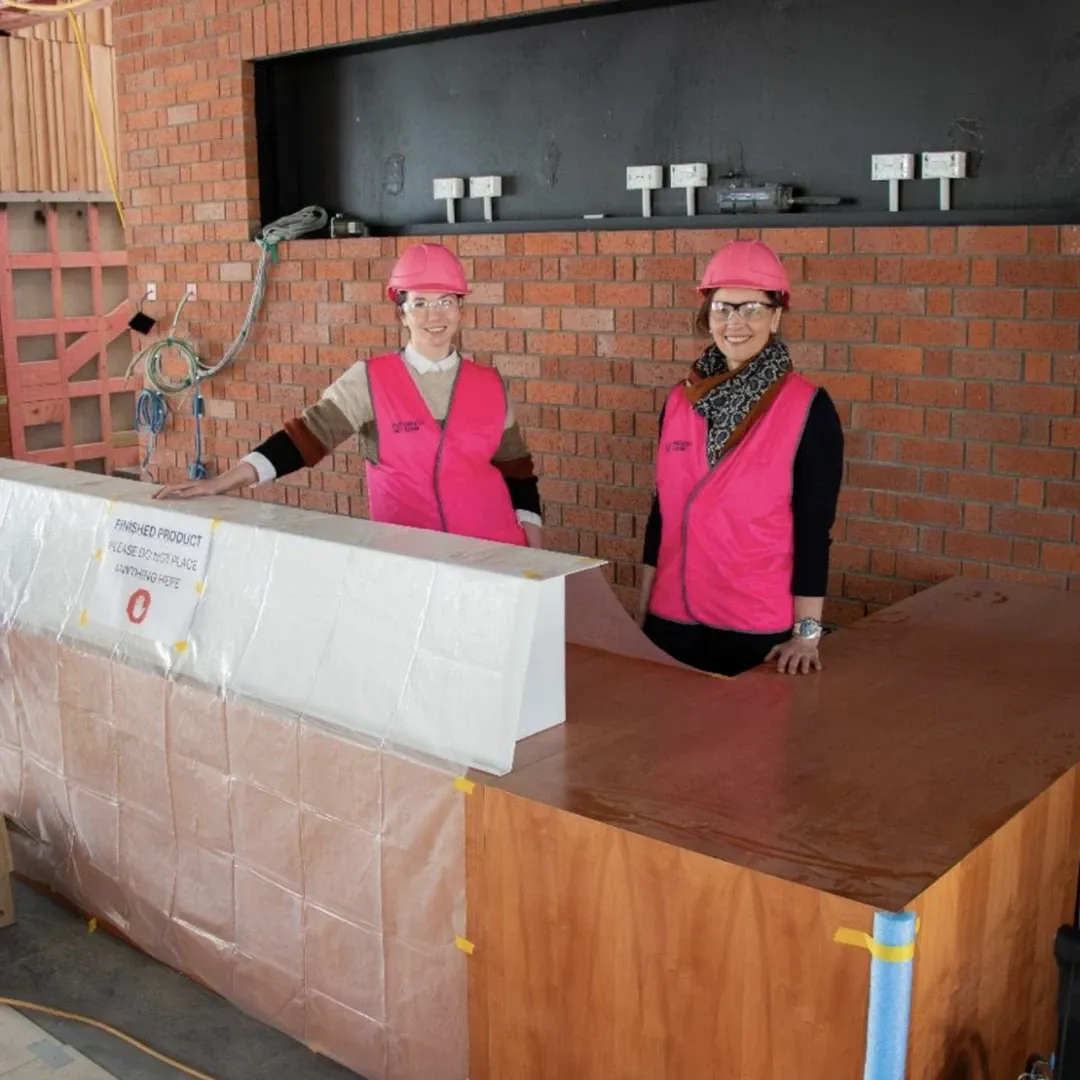
Invercargill's new regional museum is being built with accessibility as a design requirement, not an afterthought.
The Museum of Southland — due to open to the public in 2027, with construction scheduled to complete later this year — has been developed in consultation with Arts Access Aotearoa, Well Child Network, BarrierFree, Disabled United NZ, and Blind Low Vision NZ.
Museum of Southland team leader operations and visitor services Saniya Thompson said the engagement had shaped the project from the start.
"The foundations of facilities like museums are built on the strength of partnership and collaboration within a community. The lived experiences shared by advocacy groups, representing people who live, work, and go to school in our community, gave us the opportunity to shape an experience that will be inclusive of everybody from the ground up," Thompson said.
The practical results are significant. All exhibition galleries sit on a single level with one surface type. Accessibility parking — including space for longer vehicles such as vans — is positioned close to the entrance. A wheelchair-friendly reception desk, Braille wayfinding signage, tactile objects in bronze and fibreglass, audio tours, and closed-captioning on audio-visual content are all built in. An internal lift will connect to the education and office spaces upstairs, and the outdoor mezzanine. Low-sensory hours are planned once the museum opens.
A welcome video explaining the layout and accessibility features will also be available before visitors arrive on-site.
"The first experience people have at the museum will reflect their future interactions with us," Thompson said. "By the time we're ready to welcome visitors, we hope to have removed as many accessibility barriers as possible. The team has an ongoing commitment to accessibility and inclusiveness, and we want to listen to our community, learn from them, and continue adapting along the way. It's vital we take these steps, to make sure everybody is able to engage in a meaningful way with the stories celebrated within a museum that belongs to all of us."
Disability advocate Tracy Peters, who contributed feedback during the development process, came to the role after relocating from Christchurch following the 2011 earthquake.
"When I came down to Southland, I was shocked to discover how difficult it was to get around in a wheelchair – in public buildings, toilets, at public events. It was actually really physically difficult, and really quite mentally degrading and humiliating," Peters said.
Her background in tour driving and accessible housing development gave her a particular eye for spatial design. She was direct about when accessibility decisions need to be made.
"When you're building a museum, you're planning your foundation – your wastewater, your lighting, your electrics. The design phase is the time to include everything, for instance is your lighting going to be suitable for neurodiverse people. You have to say, 'who do we want to come here? Are we going to try to make this as open and available as possible?'" Peters said.
"Disability is not an exclusive club – anybody who thinks it is is on a different planet. Disability can be temporary or permanent, or something in between. The New Zealand population is also ageing – so whatever is designed for people to engage with, needs to be designed to include all people."
What she wants, when the doors open, is simple.
"I want to feel welcome. I want to roll in those doors, with a whole bunch of my friends, regardless of our disability, and I want to be proud to be able to go into that space. The best thing in the world is knowing I can take part. Being able to visit the cafe and get a nice cuppa, being able to go to the museum and enjoy the exhibits – that to me would be incredible."