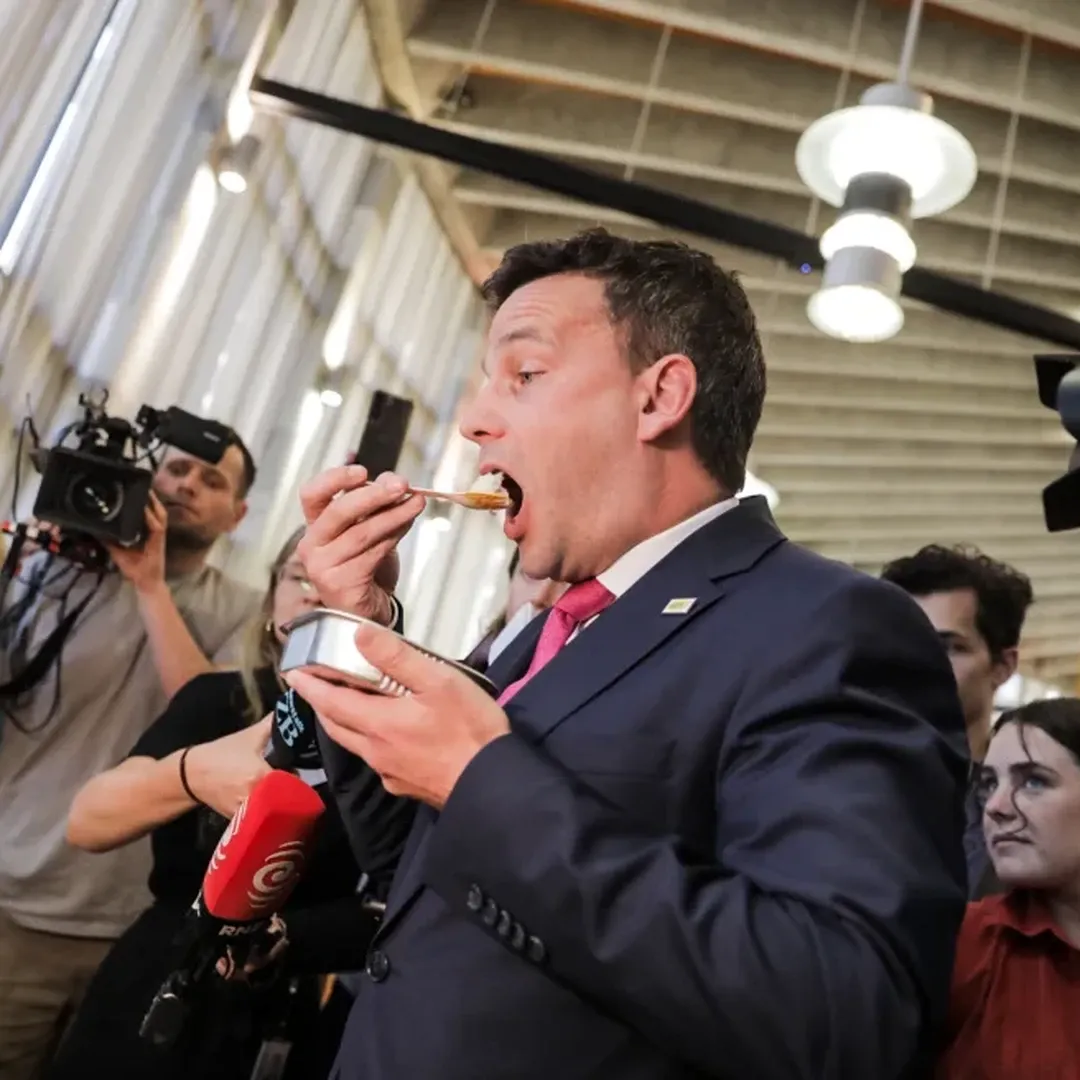
The government has committed $212 million to extend the Healthy School Lunches programme for another year, taking it through to 2027.
Associate Education Minister David Seymour announced the extension in a pre-Budget reveal, saying the government needed time to examine fundamental questions about the scheme's design.
"We want to give people certainty. We don't have the runway to design a new system before 2027, so we've kept it going for another year, but also committed to asking questions that should have been asked at the very beginning of the scheme back in 2018," Seymour told RNZ.
The minister questioned the programme's current structure, asking why lunches are only provided on school days if the issue is hunger, and why they're served halfway through the day if education is the goal.
"If it's about assisting poorer students, then why do poor students not get it if they go to wealthier schools? And indeed, why do students from wealthy households get the lunches if they go to poorer schools?" he said.
The government has allocated $2.9 million to explore these questions, with around half a dozen different options being investigated for post-2027, including changing delivery times.
Seymour said the current equity index-based system means some needy students miss out while wealthier students qualify, calling it "somewhat untargeted".
The programme has undergone significant changes since 2024 to cut costs. The average meal price has dropped to $3.58 across all suppliers, and the government says it will save $122 million in 2027 compared to the previous model.
Initial problems including delivery failures and poor quality meals have been addressed, with on-time delivery now at almost 100 percent and complaints down 92 percent.
Labour's education spokesperson Ginny Andersen criticised the changes, saying her party remains "committed to returning to fresh, locally made school lunches".
"David Seymour's promise for more terrible school lunches only confirms the nightmares will continue for schools and students alike," she said.
A related early childhood education pilot programme run by charity KidsCan will also continue, with the Ministry of Education testing new delivery methods.
Share this article
The link has been copied!
Your link has expired. Please request a new one.
Your link has expired. Please request a new one.
Your link has expired. Please request a new one.
Great! You've successfully signed up.
Great! You've successfully signed up.
Welcome back! You've successfully signed in.
Success! You now have access to additional content.