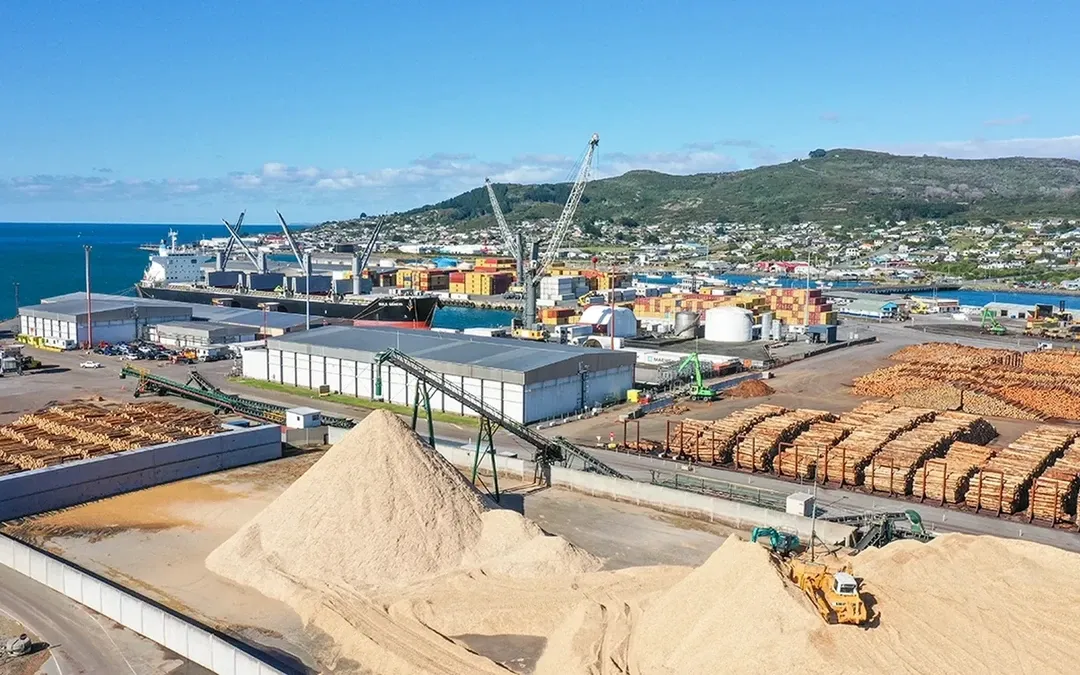
Environment Southland has pocketed $30 million by selling down its stake in South Port NZ, dropping from a 66% shareholding to 52% — still the majority owner, but with a lot more cash to spread around.
The regional council offloaded 3,750,000 shares in the port company on Thursday, with the proceeds earmarked for reinvestment across a broader financial portfolio. The logic is straightforward: too much tied up in one asset is too much risk.
Chair Jeremy McPhail framed it as exactly the kind of move the council's own long-term plan had signalled. "Essentially, reducing our shareholding is about reducing risk by not having too many eggs in one basket," McPhail said.
The council worked alongside independent advisers Jarden to manage the sale — a detail worth noting, given this is public money and public infrastructure being repositioned.
The income generated from Environment Southland's financial portfolio doesn't disappear into operating costs. It goes first toward maintaining key reserves — including a disaster recovery fund — and then works to reduce how much Southlanders pay in general rates. Any gains not drawn down stay in managed funds, growing over time and cushioning against market swings.
McPhail said the timing was deliberate. "Our financial and economic analysis shows we can get better returns for ratepayers by diversifying, especially at this time when South Port is doing well."
That last part matters. Selling when the asset is performing well is the sell-high half of the equation — harder to argue against than the alternative.
South Port, which services the Bluff port, remains a strategically significant piece of Southland's economic infrastructure. The council is keen to make that point. "South Port is a successful business and a strategically important regional asset and we're proud to remain its majority shareholder," McPhail said.
Holding 52% means Environment Southland retains control of the company's direction. The sale shifts the financial weighting without handing the wheel to anyone else.
Whether the reinvestment delivers the returns the council is projecting is the question that will take years to answer. For now, the council has traded concentration for diversification — and done it while South Port's star is still rising.
Share this article
The link has been copied!
Your link has expired. Please request a new one.
Your link has expired. Please request a new one.
Your link has expired. Please request a new one.
Great! You've successfully signed up.
Great! You've successfully signed up.
Welcome back! You've successfully signed in.
Success! You now have access to additional content.