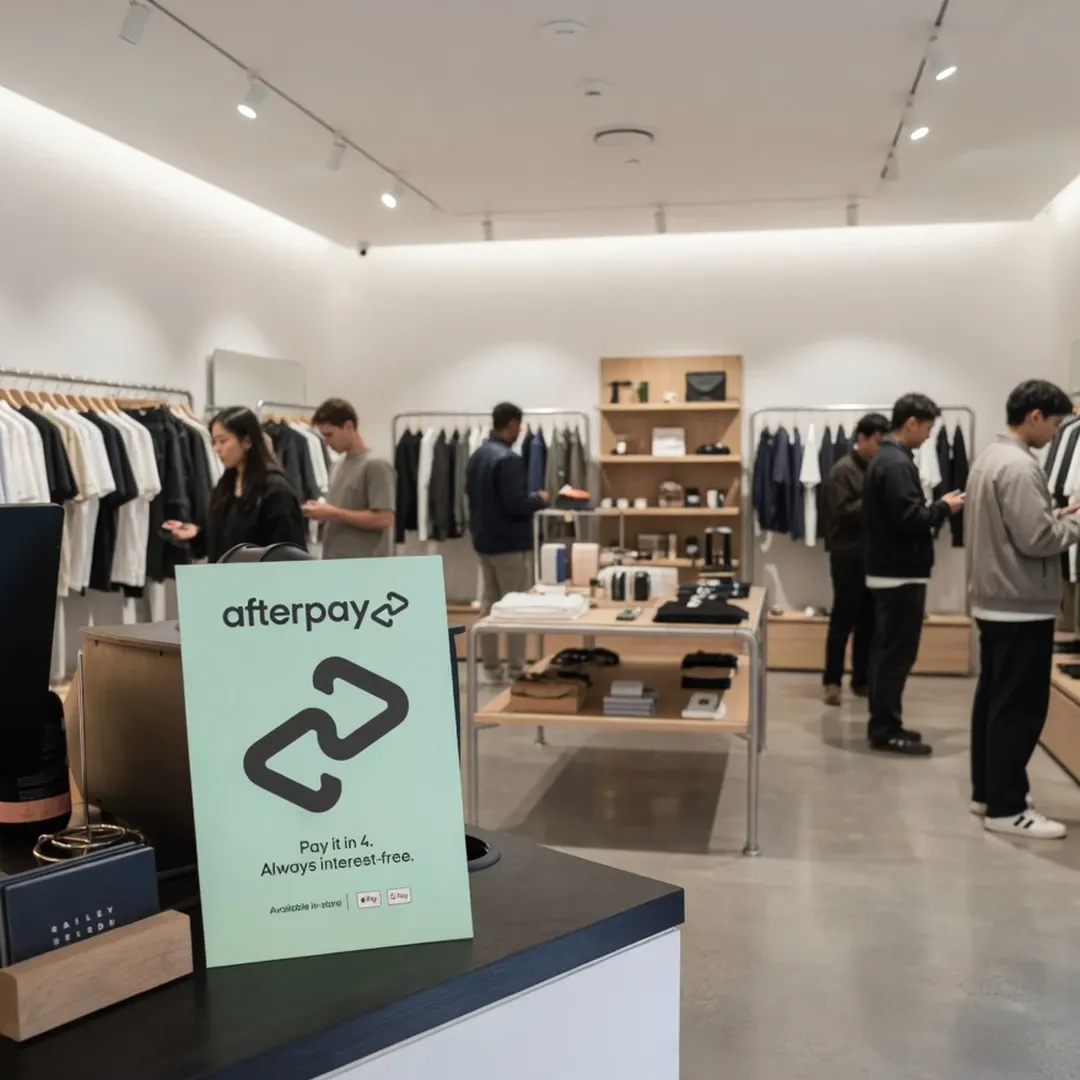
Afterpay is collecting nearly $20 million annually from late fees in New Zealand, despite marketing itself as an interest-free service.
The buy-now-pay-later provider made $18.5 million in late fees in 2024, rising to $19.7 million last year, according to company results.
While customers pay no charges when they stick to payment schedules, late fees kick in quickly. For purchases up to $40, a one-time late fee of up to 25 percent applies. For larger amounts, a $10 fee is charged for missed payments, with an additional $7 after seven days if unpaid. Fees are capped at 25 percent of the total or $68, whichever is lower.
Consumer NZ spokesperson Gemma Rasmussen said regulatory changes in 2024 actually weakened consumer protections for buy-now-pay-later services.
"These exemptions mean that late fees no longer need to reflect the true cost incurred, multiple late fees can apply simultaneously across different purchases, and fee protections are weaker than those that apply to other consumer credit products," Rasmussen said.
"We believe this exemption significantly weakens consumer protection and reduces consistency within the CCCFA framework. Combined with ongoing cost-of-living pressures, these weaker safeguards could have contributed to an uptick in revenue from late fees."
Fincap spokesperson Jake Lilley warned of a dangerous cycle for struggling families.
"When someone ends up paying a late fee on already used essentials like petrol or food they end up even further behind trying to access essentials in the future. It risks a debt 'treadmill' that just keeps accelerating," Lilley said.
"Financial mentors continue to be frustrated, telling FinCap that difficulty paying back buy now pay later lenders is adding more pressure for so many of the whānau they support. These whānau are just trying to survive and keep food on the table."
Sector-wide data shows arrears improved to 8.8 percent in April, ending months of increases.
AfterPay has been approached for comment but has not responded.
Share this article
The link has been copied!
Your link has expired. Please request a new one.
Your link has expired. Please request a new one.
Your link has expired. Please request a new one.
Great! You've successfully signed up.
Great! You've successfully signed up.
Welcome back! You've successfully signed in.
Success! You now have access to additional content.