
Councils
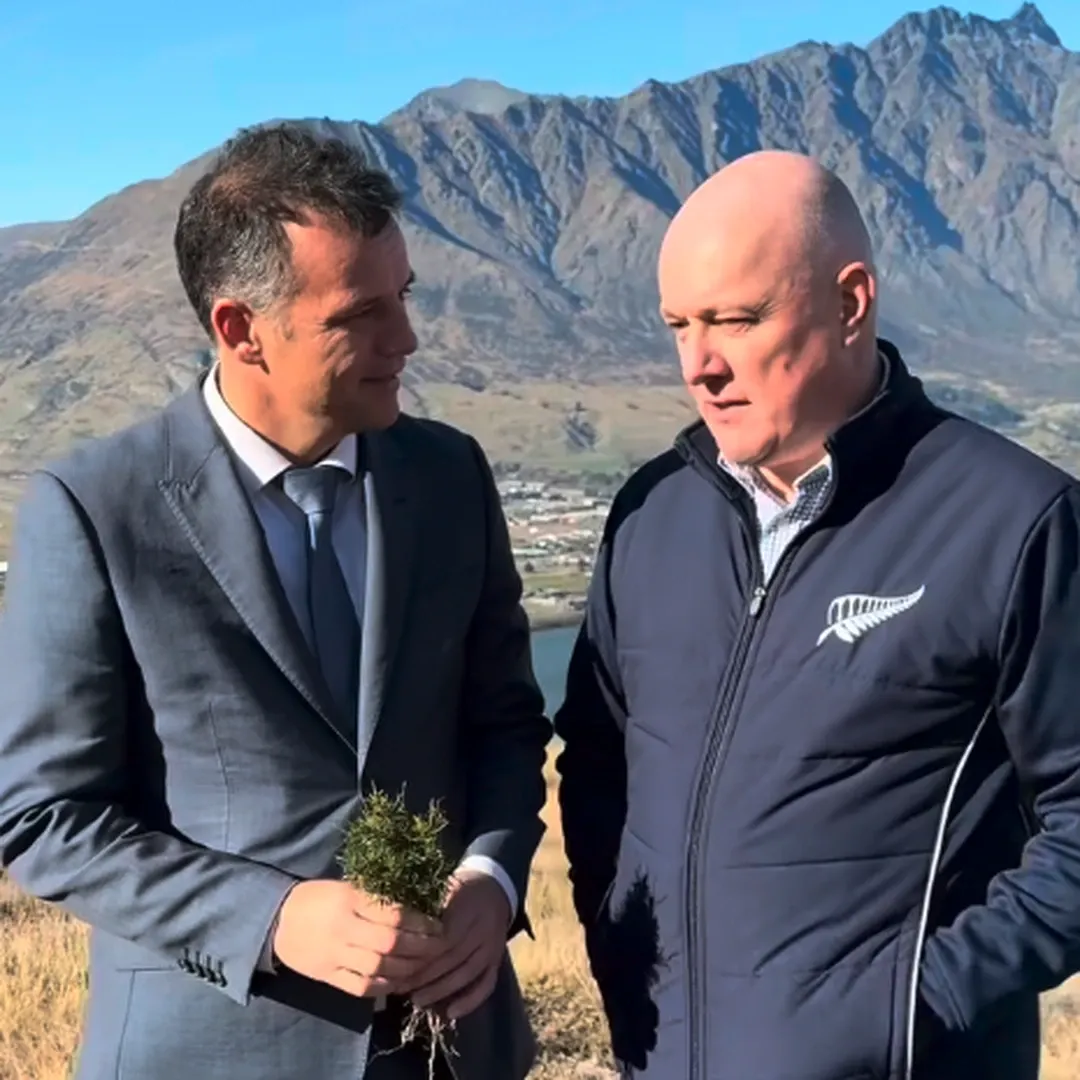
New government funding for wilding conifers will not solve Southland's problems.
Environment Southland biosecurity team leader plants Jolie Hazley welcomed the $79 million nationwide boost announced this week but warned it had limits at a committee meeting last Wednesday.
"I'm not expecting that any new Southland sites will be picked up but I will definitely be advocating for that," Hazley said.
The funding appears to prioritise already-funded areas with some possibility of new spots being added. Mid Dome, Flagstaff and Takitimu all stood a chance, Hazley said, but Lake Te Anau up to Kingston would go unfunded and continue to face spread unless landowners stepped in.
The council currently spends $50,000 on wilding control, which goes to the Mid Dome Wilding Trees Charitable Trust, Hazley confirmed in response to questions from Cr Maurice Rodway.
Rodway said the regional council needed to find more funding within the organisation to tackle areas not covered by the national scheme. Cr Eric Roy questioned why the council still permitted Douglas fir planting when technology was available for sterile seed sources.
Hazley responded that current GE rules did not allow sterile trees into New Zealand.
A council report warned a status quo approach would cost about $1.4 billion in lost benefits over 50 years, according to a consultant. The region's response has mainly focused on contorta and dwarf mountain pine, but Douglas fir has emerged as a major threat.
Several factors explain Douglas fir's spread: extensive plantations in the 1990s and early 2000s, continued planting now, and its ability to spread more than 20km.
Councillors approved next steps including direction for staff to work with other agencies in response to the threat.
According to the Ministry of Primary Industries, a quarter of the country would be covered in wilding conifers within 30 years if left to spread unchecked.