
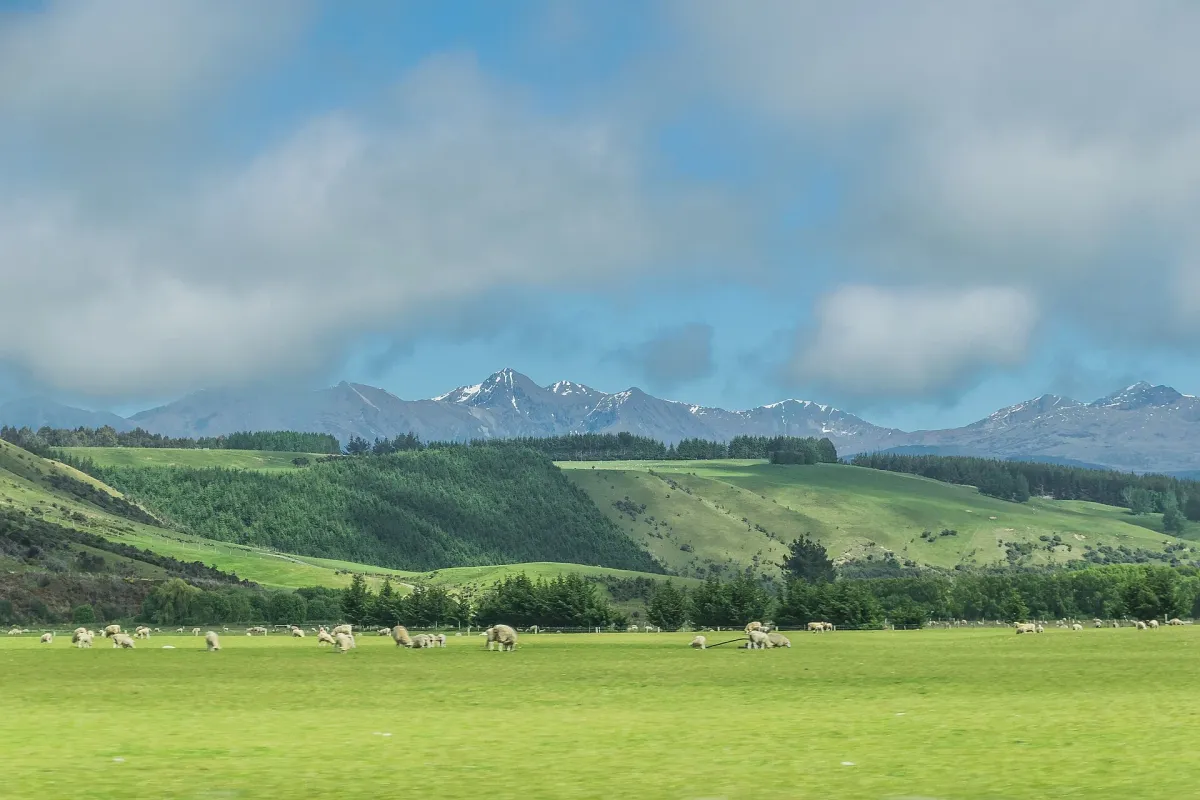
South Island farmers will get more freedom to diversify their operations under new regulations for Crown pastoral land announced by the government.
Land Information Minister Chris Penk and South Island Minister James Meager said the changes would allow pastoral lease holders to add activities like horticulture, beekeeping, tourism and hospitality ventures alongside traditional farming.
The economic potential is significant. Modelling suggests the changes could lift the value of Crown pastoral land from around $80 per hectare for pastoral farming to thousands per hectare for horticulture and up to $18,500 for some solar projects, Penk said.
With Crown pastoral land covering about 1.2 million hectares of the South Island, Meager said the opportunities could be substantial.
"Adding activities like horticulture and beekeeping alongside traditional farming along with selling fresh produce on site, gives farmers more ways to earn from their land and grow their operations," Meager said.
"Encouraging hospitality ventures, tourism and hunting also attracts visitors to the region, benefiting the wider local business community as people spend in shops, eat at restaurants, and stay in nearby accommodation."
The ministers said the changes would make regulations clearer and more workable while protecting the high country environment and ensuring pastoral farming remains the primary land use.
Penk said the new legislation would reduce unnecessary red tape and give farmers greater certainty by clearly outlining which day-to-day activities, such as fertilising land or repairing farm buildings, can be carried out without approval.
The legislation also creates a pathway for removing land from the Crown pastoral estate in exceptional cases where using it for a different purpose "would deliver significant benefits for New Zealand."
The changes represent a significant shift in how Crown pastoral land can be used, potentially opening up new revenue streams for South Island farmers while maintaining environmental protections.
Farmers have been seeking these regulatory changes to allow diversification beyond traditional pastoral activities, the ministers said.