

Renewable Energy Push, Regional Growth and Community Projects Top Southland District Council Agenda.
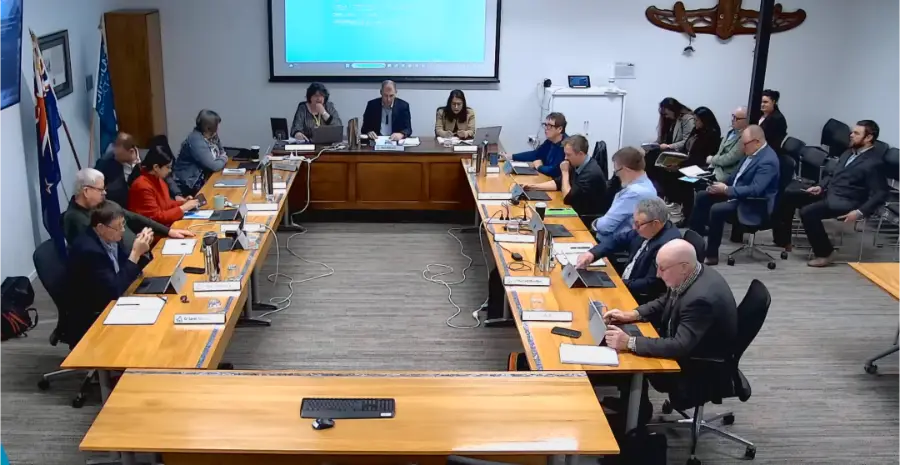
A wide-ranging Southland District Council meeting has tackled regional economic milestones, a major renewable energy push, community infrastructure decisions, housing pressures, and operational governance across the district.
Southland Economy Among New Zealand's Strongest
Great South presented its Quarter 2 economic development update, covering the period to 31 December 2025, painting an encouraging picture of regional performance. Southland's GDP per capita stands at $95,061 — the highest in New Zealand — despite the region accounting for just 2% of the country's total GDP.
Major industrial and infrastructure projects are progressing, including consent approval for Contact Energy wind farms, the near-completion of Fonterra's UHT cream plant, the Data Grid consent passing, and a fast-tracked salmon farm project by Nahu Seafoods.
On housing, the region's median house price sits at approximately $569,000 — the highest within Southland but well below the national average of $910,000. Long-term data shows dramatic growth, with Toapria recording a 417% increase in median house prices over 20 years, rising from around $60,000 to $310,000. A housing action plan is underway with five of its 13 projects now completed, including the launch of the Build Southland website as a central resource for housing information.
Tourism performance has also rebounded strongly, with international guest nights recovering well and occupancy rates improving. Innovative initiatives such as the Cheeky Kiwi hop-on-hop-off coach service have been well received, while domestic tourism continues to play an important role, particularly during the winter months.
Renewable Energy Strategy Gains Momentum
The council received a comprehensive update on the region's energy strategy, with Southland positioned as the fastest growing area for solar installations in the South Island, with 385 new installations currently underway. Eight large wind farms and several run-of-river hydro projects are in various stages of planning and development.
Biomass boiler use is also expanding rapidly. The region currently operates more than 70 biomass boilers consuming around 220,000 tonnes of fuel annually, with demand projected to nearly quadruple to 840,000 tonnes within five years. Among the targets for conversion are 22 schools still running diesel boilers, 13 of which are in the southern district.
The region has managed to reduce overall emissions while continuing to grow economically, with biogenic methane utilisation identified as a significant future fuel source. Hydrogen research is also ongoing. EV charging infrastructure expansion is being planned, including efforts to shorten distances between charging stations across the region.
Agricultural emissions present a mixed picture — beef numbers have increased slightly, dairy cow numbers are down, and sheep numbers have fallen by 700,000. Fertiliser use is declining, reflecting changing farm inputs, while new cropping initiatives aimed at producing plant-based aquaculture feed locally are being explored.
Monkey Island Shelter to Be Refurbished
A community-driven project to refurbish rather than rebuild the Monkey Island shelter has been recommended for approval following strong local support. The revised proposal — favoured over a full rebuild on cost and community preference grounds — includes a full roof replacement, earthquake strengthening, an epoxy floor surface, and improved decking and seating.
Optional extras such as a solar-powered foot wash and water tank are also on the table. Funding will be provided through a loan repaid via the district reserve general rate. A building consent is to be lodged, with construction targeted for completion by the end of the year.
Dog Registration Hits 100%
Animal control officers have achieved 100% registration of all known dogs in the district — a significant compliance milestone. Dog registration fees remain among the lowest in the country, with no increase proposed for the 2026/27 year. Currently, rates fund approximately 6% of animal control costs, below the national average of around 10%.
Plan Change 4 Approved for Fonterra Dairy Plant
Plan Change 4, which seeks to amend district noise standards for the Fonterra Edendell dairy plant, has progressed through a hearing process with a recommendation to approve, subject to amendments. Limited notification resulted in three submissions — two opposed and one neutral. An independent commissioner conducted the hearing in February 2026, with the recommendation report issued in March.
The amendments strengthen noise management plans and include traffic speed controls, idling restrictions, driver education requirements, and a complaints resolution process. Some submitter concerns around vibration, headlights, and odours were considered outside the scope of the plan change. Submitters retain potential appeal rights following the final decision.
Stewart Island Fuel Costs Rise
The Stewart Island community board has recommended increasing the fuel price from 85 cents to 89 cents per kilowatt hour (GST inclusive) to offset rising diesel costs. The increase has been kept below 5% to avoid triggering individual customer notification requirements. A solar energy project is planned to reduce the island's future dependency on diesel.
Mayor's Report and Council Operations
The Mayor reported on recent engagements with government ministers on wastewater plant standards and recycling legislation, as well as advocacy efforts around the National Land Transport Fund and Funding Assistance Rates, which directly affect how much central government contributes to regional roading costs.
The council also discussed supporting the use of hybrid vehicles and remote meetings to reduce fuel costs and vehicle usage across its operations.
Fiordland Community Board Update
The Fiordland Community Board reported strong population and industrial growth in the area, with the housing rental market showing some easing due to hotel conversions and private boarding options. Major projects under consideration include lakefront development, a floating sauna, and a water park consultation. Volunteer groups continue to contribute significantly to the maintenance and enhancement of local parks and reserves, while emergency management planning is progressing well with good community engagement.