
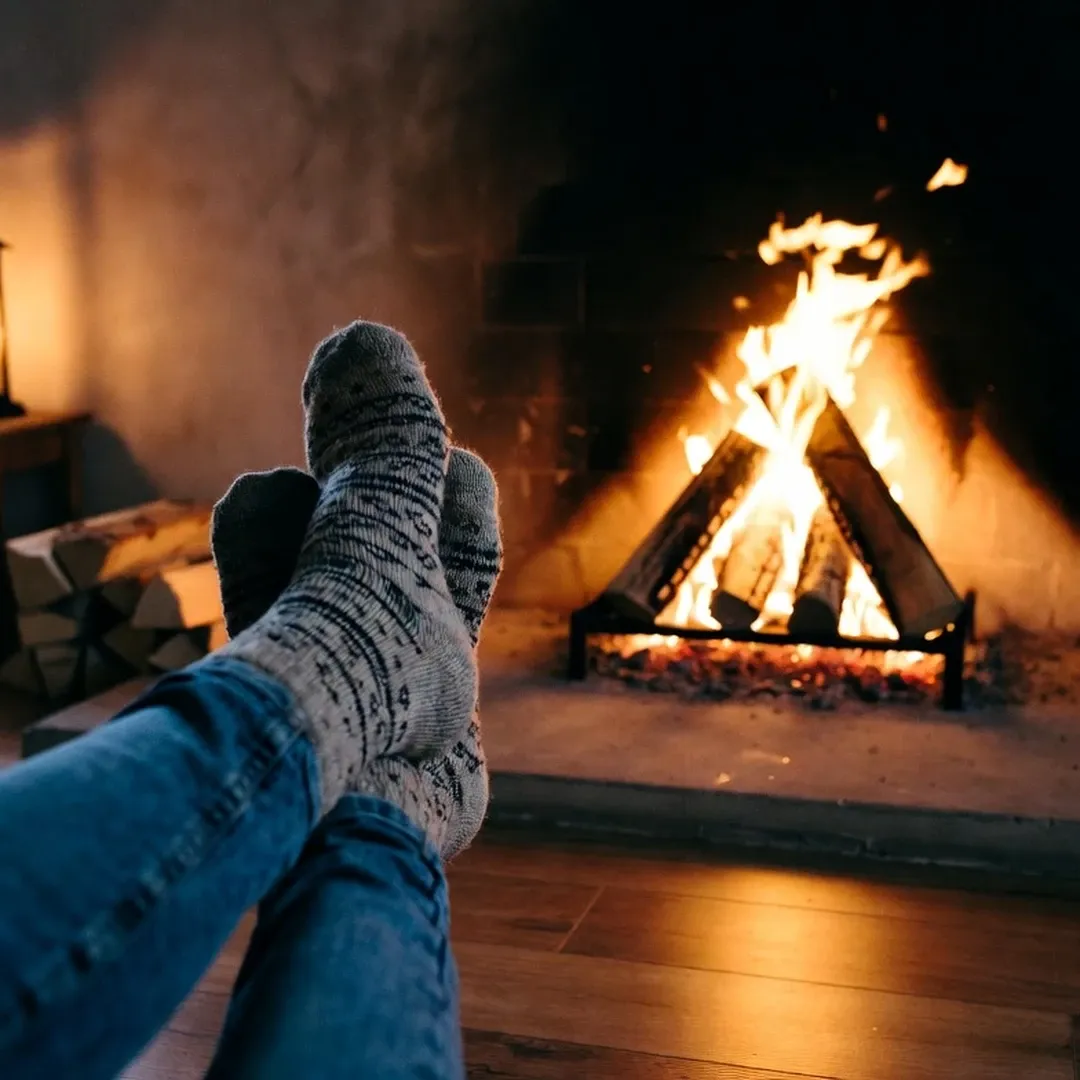
Southland families can slash heating costs and improve air quality this winter by making simple changes at home, according to Environment Southland.
The council's winter air quality monitoring season began on 1 May and runs until 31 August, with weekly reports for Invercargill and Gore available online alongside live air quality data.
"During winter, poor air quality can be an issue in Murihiku Southland, particularly in the Invercargill and Gore airsheds," said Environment Southland Science Investigations and Operations Manager Ash Rabel.
"Home heating is one area where people can make the biggest difference to our air quality."
Poor air quality particularly affects children, elderly people and those with respiratory conditions. More than 90% of human-caused PM10 particles - which trigger health alerts when they exceed national standards - come from burning wood and coal in home burners.
The key to efficient heating lies in using dry wood, Rabel said.
"Not only does burning wet wood create a large amount of smoke, it also gives off much less warmth than dry wood, so it can cost more to heat your home."
Dry wood with less than 25% moisture content burns hotter and cleaner while requiring less fuel. Environment Southland's Good Wood scheme helps residents identify approved suppliers meeting these standards.
Other cost-cutting tips include closing curtains before dark, blocking draughts, and heating only rooms being used rather than the entire house.
For wood burner users, maintaining a hot bright burn, regular chimney sweeping, and avoiding overnight banking improves efficiency and reduces smoke.
On cold, still nights when pollutants typically reach unhealthy levels, heat pumps offer a cleaner alternative. For best results, maintain steady temperatures rather than switching on and off, and clean filters regularly.
In Invercargill and Gore airsheds, open fires are prohibited and non-compliant burners are being phased out under the Regional Air Plan.
Live air quality readings are available at www.es.govt.nz/air.