
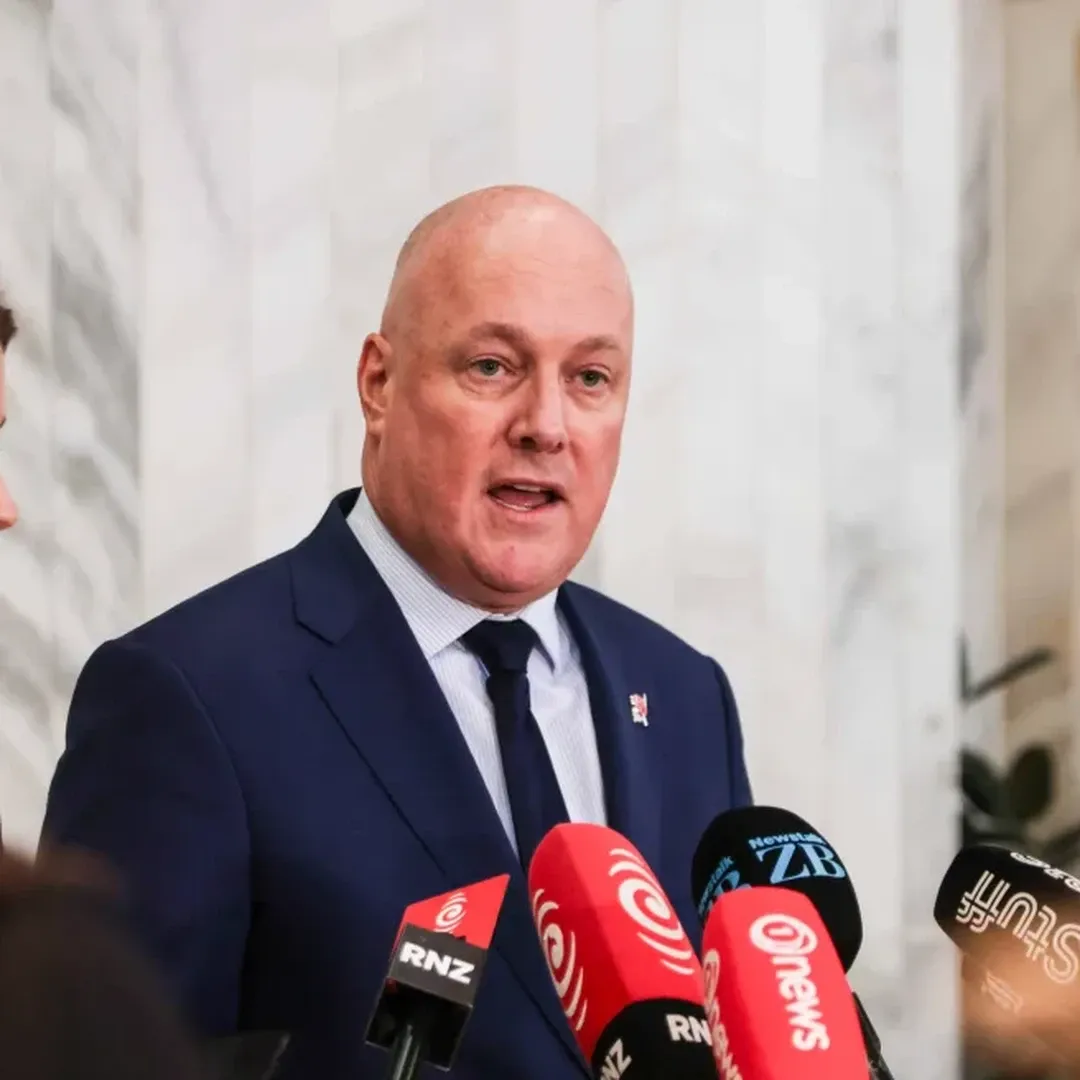
Prime Minister Christopher Luxon has declared the government's fees-free university scheme a complete failure, announcing it will be scrapped in this month's budget.
The policy, which covered students' final year of tertiary study, will end for new cohorts from next year, though current final-year students will still receive the benefit.
Speaking on Morning Report Monday, Luxon said the scheme had been "quite a failure" and called it "absolute insanity to support something that isn't meeting its objectives."
"The fees programme is not working... it would be absolute insanity to support something that isn't meeting its objectives," he said.
Luxon indicated the government would redirect funding toward trades training instead, emphasising economic growth as the priority for helping young people succeed.
Finance Minister Nicola Willis confirmed the decision was driven by the policy's failure to boost enrolments or reach disadvantaged students, combined with ongoing fiscal pressure.
"We are a country that's been in deficit since 2019. We're carrying a heck of a lot of debt, so we've got to make sure every dollar we are spending is going to its best use," Willis said.
Deputy Prime Minister David Seymour said the expensive policy hadn't delivered meaningful results: "This policy, while a great benefit to people who get that money, is not actually increasing the number of disadvantaged students who are attending school."
Students have reacted with disappointment. Victoria University Students Association President Aidan Donaghue called the decision "disheartening" and said it was "really, really gutting" that students were "the first on the chopping block."
Donaghue, who was the first in his family to attend university, credited the scheme with helping his decision to study.
"Yeah it was a factor. I had to make the big move from Kirikiriroa (Hamilton) to Pōneke, so it's helped, yeah," he said.
Student advocate Nate Wilbourne argued education was an investment in "future nurses, doctors, tradies, teachers, electricians, midwives" and warned the decision could drive more young people overseas.