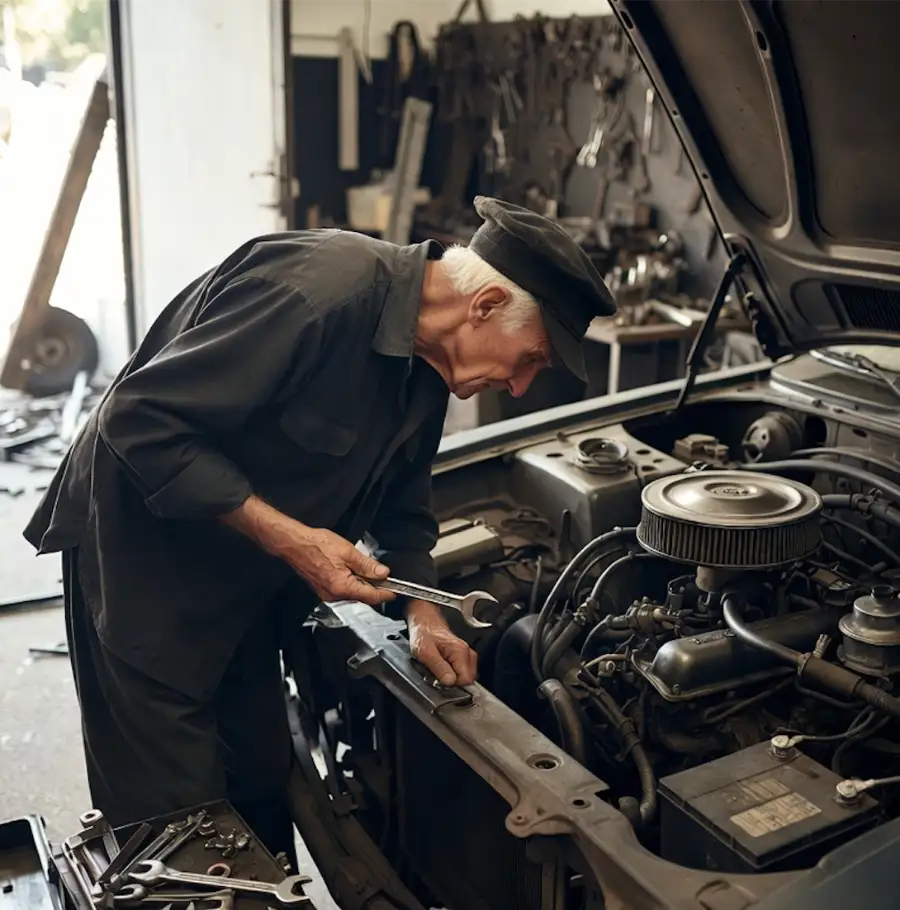
Older New Zealanders are driving a major economic shift, contributing nearly $9 billion annually through paid work alone, according to a new study.
The New Zealand Institute of Economic Research found people aged 65 and over now make up a larger share of the workforce than at any point since tracking began in 2011.
The Business of Ageing report, commissioned by the Office for Seniors, revealed self-employment income among older workers is worth around $5 billion annually.
Projections show the number of older people in work will more than double from 217,400 in 2024 to 477,800 by 2074. Their earnings from paid work are expected to jump from $8.7 billion to $50.2 billion over the same period.
More than half of future earnings - $29.3 billion - is expected to come from self-employed income, reflecting a trend toward senior entrepreneurship.
The economic impact extends beyond wages. Older people's reliance on accumulated assets is set to rise from $14.2 billion to $104.7 billion, while their consumer spending is projected to grow from $54.7 billion to $357.7 billion by 2074.
Tax contributions from this age group are also expected to rise sharply as both incomes and population numbers increase.
However, the report highlighted that unpaid activities like caregiving, volunteering and household work by older people exceed $20 billion annually - a figure predicted to reach between $121 billion and $138 billion by 2074.
"These projections show that population ageing represents long-term structural economic change, with effects that go well beyond fiscal settings, shaping labour markets, household incomes, spending patterns, and community life," the report said.
"Understanding this shift will be essential for sound policy, business decision-making, and long-term planning in the decades ahead."
Minister for Seniors Casey Costello said the report quantified the substantial contribution of older New Zealanders.
"Older people are also contributing through taxes, spending and investment, and importantly, through unpaid work that often goes unrecognised. That work is not just economically valuable - it strengthens our social fabric, supporting families and sustaining community organisations and services."
Costello said understanding how ageing was reshaping the economy would help governments make better decisions on supporting older workers.
"A key takeout is that New Zealand needs to think a lot differently about the older workforce and how to utilise its skills and provide opportunities for the increasing numbers of over-65s who will be in work," she said.
Share this article
The link has been copied!
Your link has expired. Please request a new one.
Your link has expired. Please request a new one.
Your link has expired. Please request a new one.
Great! You've successfully signed up.
Great! You've successfully signed up.
Welcome back! You've successfully signed in.
Success! You now have access to additional content.