
News
- Over 200 Southland dairy farms are still using generators to keep milking operations running
- Support hubs offer food, showers and laundry to help isolated and exhausted rural residents
- PowerNet and emergency teams continue working to restore power and support communication
More than 200 dairy farms across Southland have continued operating on generators following last week’s storm, but attention is now shifting from animal care to the wellbeing of the farmers themselves. Many rural residents remain without power, reliable communications, or even basic necessities.
Rural Support Trust spokesperson Katrina Thomas said the initial focus was on animal welfare. “But now we've actually moved to concentrating more on the humans,” she said. “That's due to the fatigue of the ongoing situation because there's a minimum of 200 cowsheds out there that don't have direct power.”
Thomas explained that many farmers were running on little sleep, had no hot meals or showers, and were beginning to feel the toll. In response, the Rural Support Trust has been working with Emergency Management Southland to set up more welfare hubs. These hubs provide hot meals, showers, laundry services and a chance for residents to connect with others.
Trust deputy chair Georgette Wouda said while four or five hubs were already running, about a dozen more locations had been identified across Southland where help was urgently needed. “Some houses have got fireplaces, so that's fine. But a lot of the newer places have only got heatpumps, so they're sitting in the dark, they're cold, they need to charge up things,” she said.
Wouda highlighted how power outages were scattered, with some areas restored and others nearby still cut off. “They’re dotted all over the place, often on little side roads, right across the district,” she said. This patchy situation has left many unsure of when power might return, adding to their stress.
Communications have also been a major challenge, with ongoing ‘dead spots’ limiting phone and internet access. Thomas praised the work of PowerNet but acknowledged that without consistent service, many remained isolated. “It’s not like a flood because at least people can drive around… but we've still got these communication dead spots,” she said.
Some farmers have been able to use satellite internet and apps like WhatsApp to stay in touch, but many are still offline. “I was wondering if we could send a Facebook message or something to Elon Musk and ask him to move them over the bottom of New Zealand, please!” Thomas joked.
Fonterra reported this morning that around 30 percent of its suppliers in Otago and Southland were still without mains power. While some milk is still being dumped, the situation is improving.
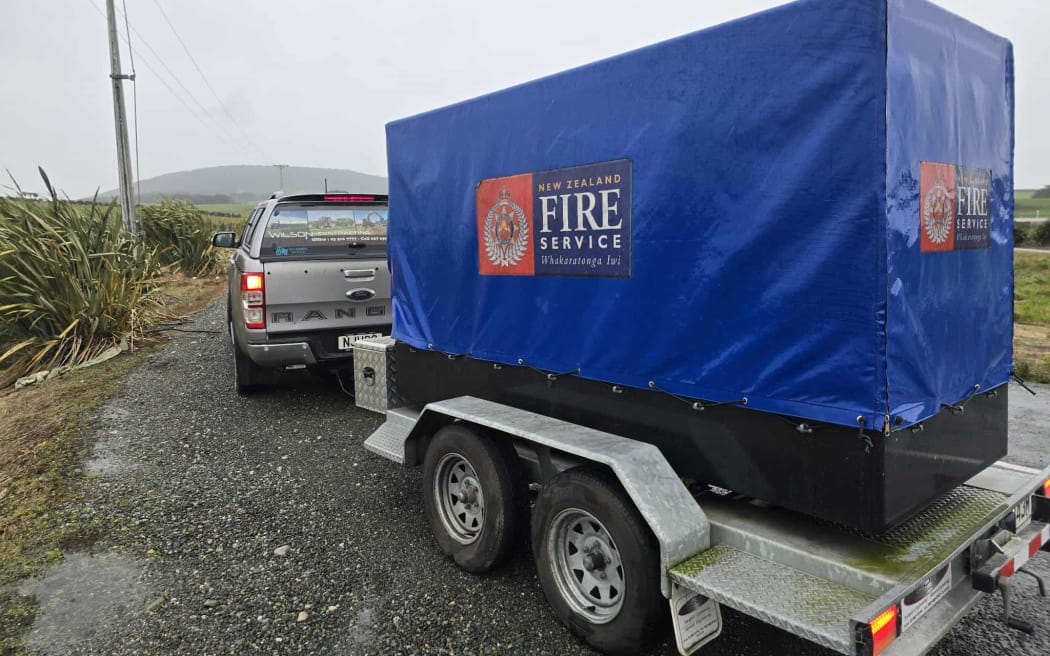
Emergency Management Southland has been rotating 31 generators across the region to support key infrastructure, dairy sheds and welfare hubs. Most have come from outside the region, including one from Fire and Emergency New Zealand, while others are shared locally.
Controller Vibhuti Chopra said progress was being made and praised the cooperation of the rural community. “Farmers across Southland have rallied together – sharing generators, opening their dairy sheds to neighbours, and ensuring animals are milked and watered through challenging conditions,” she said.