
News
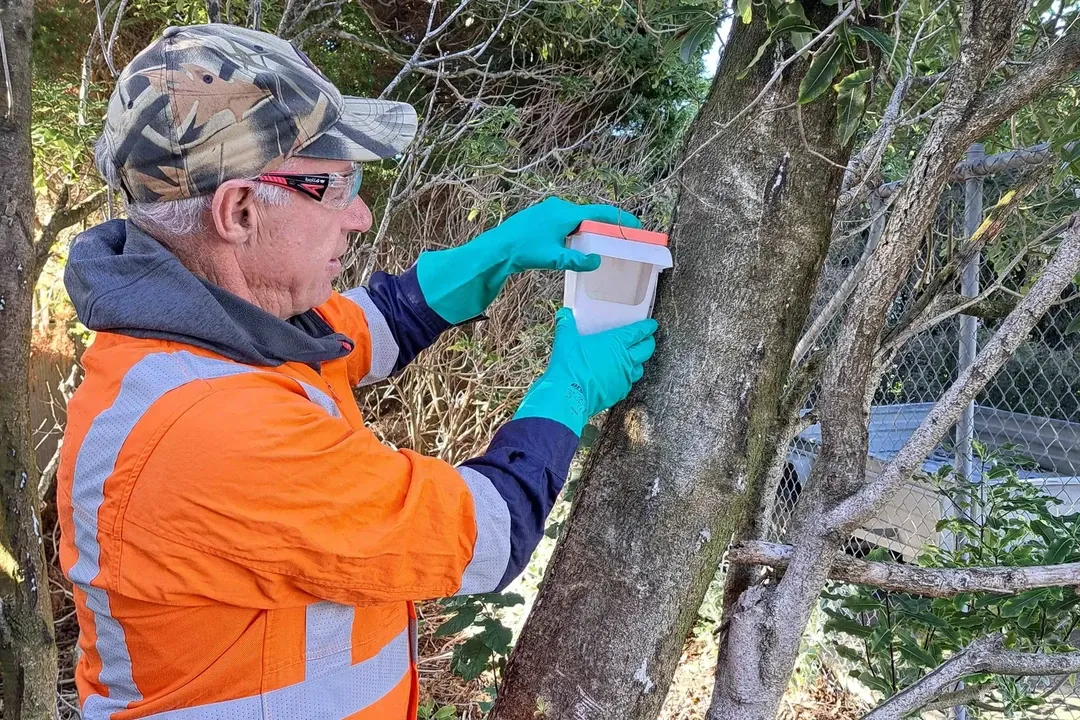
Possum numbers in Southland have hit a record high in at least one control area, and a council report is now questioning whether the system meant to keep them in check is working.
Environment Southland's biosecurity officer Raoul Thomas told a Wednesday committee meeting that possum populations had "stepped up big time" outside designated control areas — including a significant jump in the Hokonui area.
"And then you look everywhere to the north, to the west, and certainly to the east at Tokonui - and it's not good," Thomas said.
The warning came as monitoring results showed 16 of the council's possum control areas recorded a residual trap catch result of 8.3% over a one-year period — above the 5% target set under the Southland Regional Pest Management Plan. One long-standing control area came in at 32.7%, which the council acknowledged was the highest result ever recorded. The trap catch figure measures the percentage of possums caught over 100 trap nights and is used to estimate population density.
Councillor Geoffrey Young raised the question of whether possum numbers had generally increased across the region, prompting Thomas's response.
The council's Possum Control Area (PCA) system — 65 areas covering more than 420,000 hectares across Southland — is designed to support landowners who want help managing the problem. Under the arrangement, the council handles initial setup and infrastructure work to bring numbers down, while ongoing control is the responsibility of the landowner.
Council manager Michelle Powell said only about a quarter of those 65 areas are monitored by the organisation in any given year.
The report prepared for Wednesday's meeting didn't soften its findings. It noted the PCA programme had strong initial support when it launched, but that keeping possum numbers down over time had proven harder in some areas than expected.
"The monitoring results raise broader concerns about the current PCA delivery model," the report said. "In several areas, the level of follow-up control required to consistently meet the SRPMP target appears to be beyond what can reasonably be achieved through landowner effort alone."
Council staff are now working through options for how the model could be changed. A paper is expected back to the committee within two months.
• This story was reported by Local Democracy Reporting, co-funded by RNZ and NZ On Air.