
News
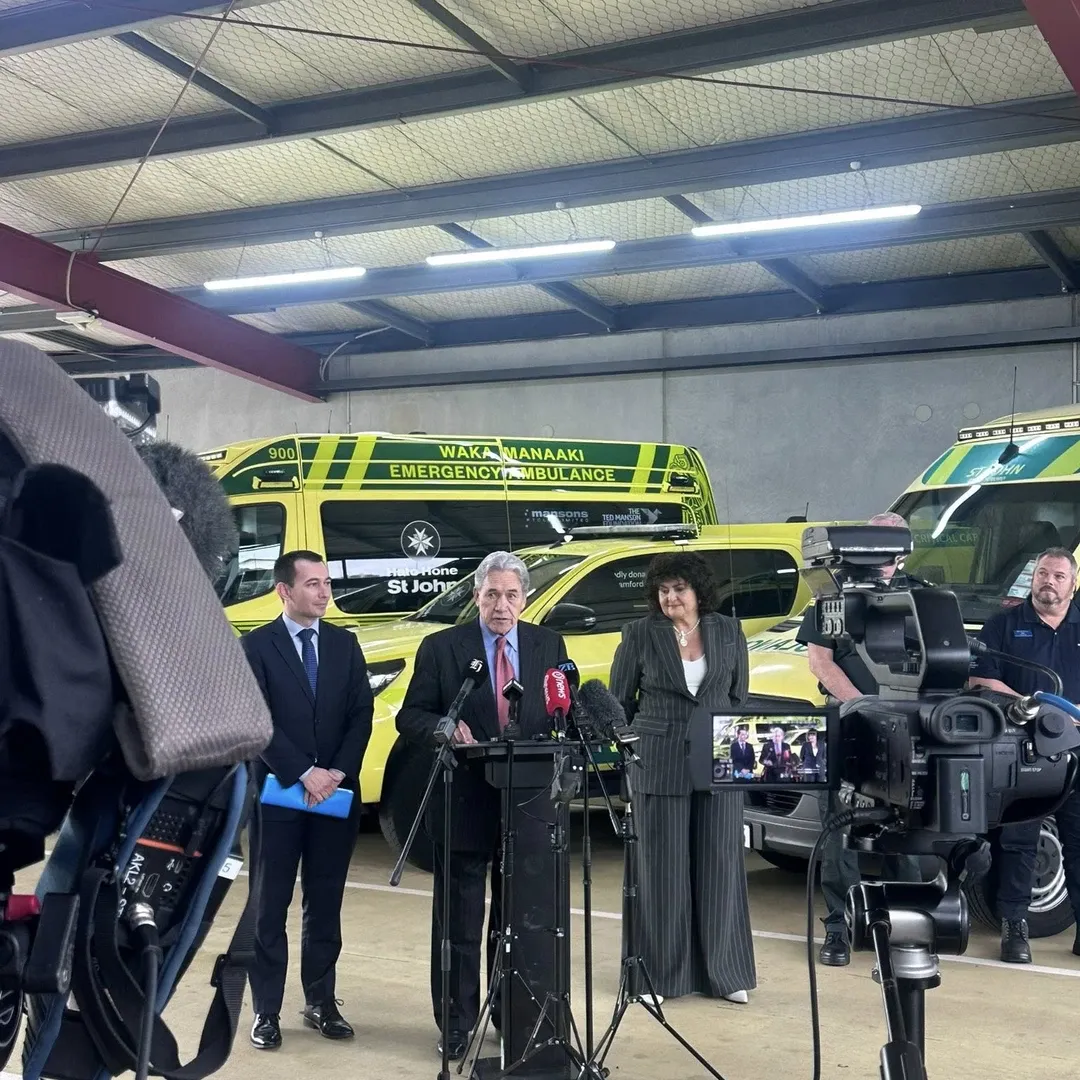
Ambulance services will get $35 million over four years to tackle rising demand, with emergency calls expected to jump by 95,000 incidents over the next four years to 735,000 annually.
The Budget 2026 funding targets immediate problems: more frontline crews, better technology, and stronger support systems. Two new ambulance hubs will open in Auckland, including one in South Auckland, while a new electronic Patient Clinical Record system gets rolled out nationwide.
"When New Zealanders call an ambulance, they need confidence that they will get the help they need quickly and that frontline crews have the support and resources they need to respond," Health Minister Simeon Brown says.
The money will also fund additional training for ambulance communications centre staff and more clinical welfare checks for patients. But the real boost comes from separate Health New Zealand and ACC funding increases still being negotiated for the next four-year contract.
That larger funding pot will pay for more frontline crews and 111 call handlers, plus stronger recruitment efforts for volunteers in rural areas. Rural ambulance services depend heavily on volunteers who often struggle with retention.
A key change: an enhanced clinical hub will provide telephone advice to resolve more cases without sending ambulances. Associate Health Minister Casey Costello expects this to cut "avoidable emergency department transports by around 23,000 each year by 2029/30."
"Volunteers also play an essential role in ambulance services, particularly in rural and remote areas, sustaining emergency care for those communities, while the enhanced clinical hub will help more patients access the right level of care sooner through clinical telephone advice and allow crews to focus on higher-acuity emergencies," Costello says.
The investment builds on existing increases. Since 2023, Health New Zealand and ACC have added $77.7 million to ambulance funding, bringing the total to $452 million for 2025/26. The government claims this has delivered "record ambulance staffing levels" and faster response times for serious emergencies.
Brown frames the spending as essential maintenance rather than expansion. "This investment is about fixing the basics and building the future – strengthening ambulance crews' ability to respond quickly and deliver safe, effective care, and ensuring services are well equipped to meet growing demand and continue supporting New Zealanders."
The 95,000 additional incidents represent roughly a 15% increase over four years – significant but not unprecedented given New Zealand's aging population and growing health needs.