
Councils
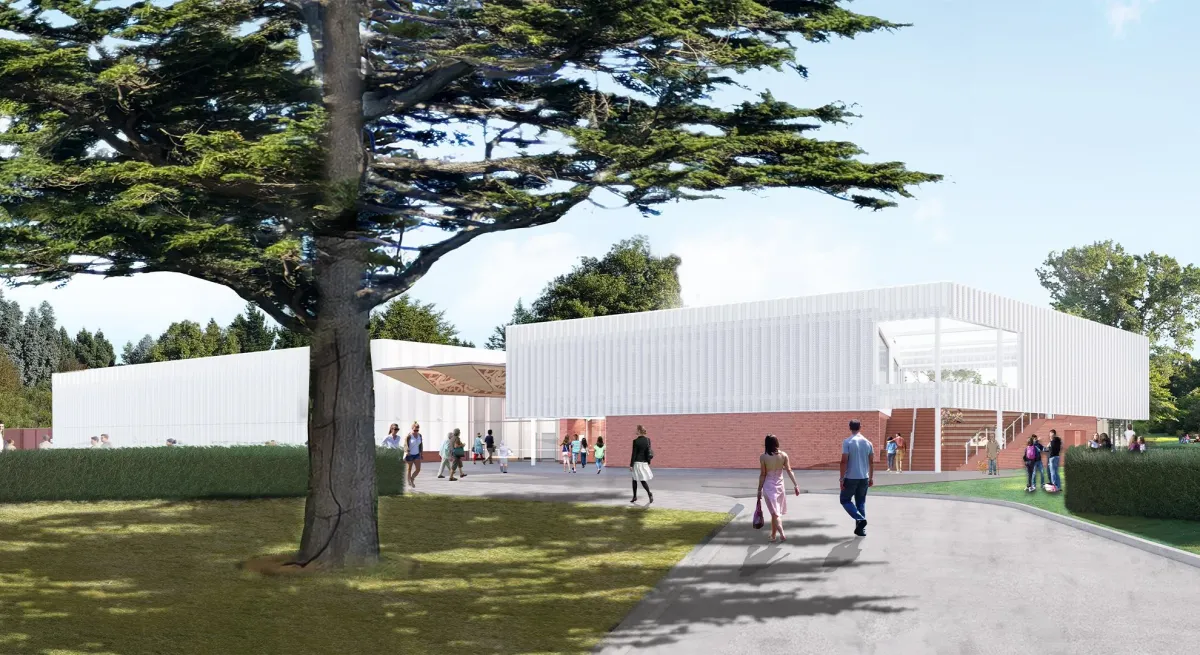
Te Unua Museum of Southland is on track to become the first museum in New Zealand to receive a prestigious sustainability certification, following recognition from Australasia’s leading voluntary environmental rating system for commercial buildings.
The project has been provisionally awarded a 4 Star Green Star NZ Design & As Built Design Review Certified rating. The honour highlights the museum’s commitment to delivering a high-quality, sustainable facility designed to serve generations of Southlanders.
Te Unua Museum of Southland Director Eloise Wallace said the certification reflected a deep commitment to both people and place.
Museum of Southland is about celebrating the legacy of our region. That goes beyond being a space where the stories of Southland are shared, and our taoka are taken care of – it also includes thinking about the kind of asset we want to create today, for the enjoyment of our community tomorrow,” she said.
Wallace said achieving provisional certification placed the museum in a strong position to become the first in the country to secure the accolade.
“Green Star certification aligns with Invercargill City Council’s long-term vision to create a future-proof, sustainable cultural asset that can be enjoyed for generations to come.”
Green Star certification assesses environmental performance across key areas such as energy efficiency, water conservation, indoor environmental quality, materials selection, waste management and carbon emissions reduction.
Invercargill City Council Senior Project Manager Haydyn Taylor said sustainability had been embedded throughout the project, from construction methods to long-term operations.
“The process looks across the entire project, from considering the sustainability of the materials you select for the structure, to the healthiness of the indoor spaces you’re creating – how much natural air and light you have coming in, how you’re mitigating noise pollution,” he said.
The museum is expected to deliver a 60 percent reduction in operational energy use compared with similar buildings, along with an 80 percent reduction in associated greenhouse gas emissions.
Sustainable materials used in construction include Ecrete, a New Zealand-engineered concrete made with recycled materials or lower-carbon cement, sustainably sourced steel from Indonesia, and higher R-value insulation to improve thermal performance.
“Being the first museum in the country to attain Green Star certification is a really impressive achievement, and reflects the value the museum will add to our community not just from a cultural and social point of view, but from an environmental perspective as well,” Taylor said.
The next stage will involve reassessing completed As-Built plans at the end of the project to confirm construction aligns with Green Star design standards.
Trustees and staff from Community Trust South, which contributed $5 million to the project in 2023, recently visited the site to view progress firsthand.