
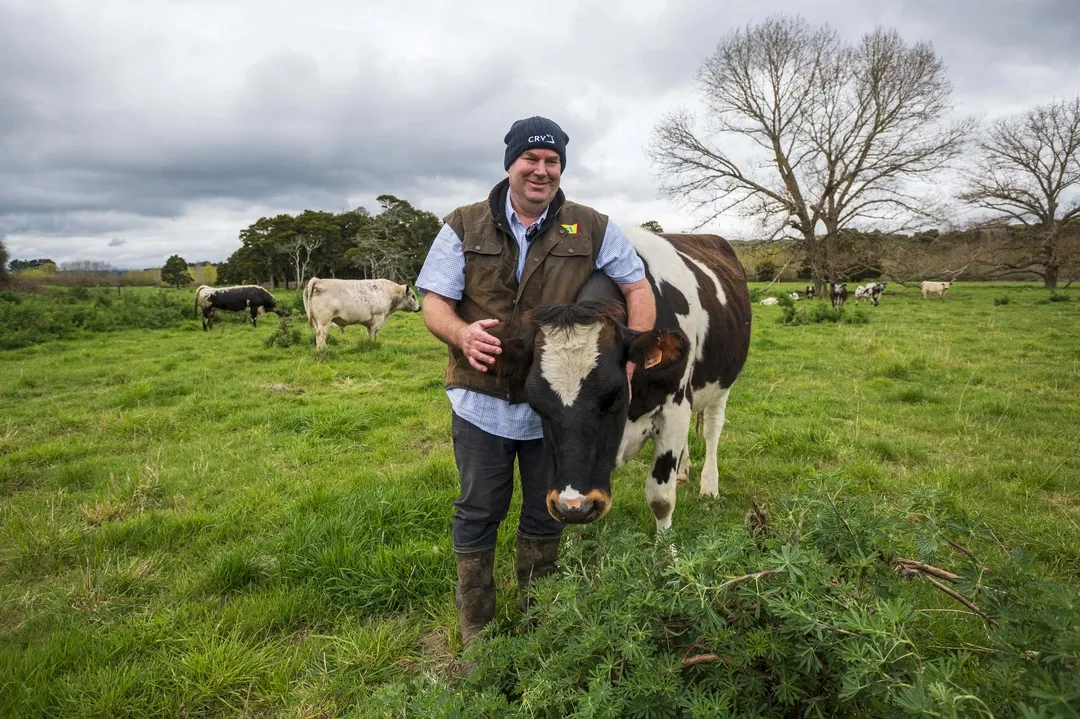
Southlanders who want to buy a beast from a local farmer and put it in the freezer could soon have an easier time doing it, if proposed rule changes get the go-ahead.
The Government is consulting on reforms to homekill rules — some of which haven't been touched in 20 years. The biggest change on the table: scrapping the 28-day care requirement that currently forces buyers of live animals to prove they looked after the animal themselves before a listed processor can handle it.
Food Safety Minister Andrew Hoggard is blunt about why the rules need updating. "These rules haven't been looked at in 20 years. The way we live, farm and share food has changed, and the rules need to catch up," he said.
Right now, homekill meat can only be eaten by the animal's owner, their family or household, and farm employees. That's a tight circle, and Hoggard wants it widened. "This is about removing rules that no longer make sense. Homekill can currently only be eaten by the animal owner, their family or household, and farm employees."
The cost of living framing is deliberate. "With the cost of living still biting, people are looking at what else is on offer. Buying an animal from a local farmer means the farmer sets the price, and while I can't promise it will be cheaper, it could well be," Hoggard said.
That's a careful caveat — no guarantees — but for anyone who's watched supermarket meat prices climb, the option of dealing directly with a Southland farmer is worth knowing about.
The consultation also covers hunted meat, and this is where it gets genuinely useful for a lot of people. Hunters have been wanting to donate venison and other game to foodbanks, but murky rules have made many nervous about whether they're actually allowed to. Hoggard says that uncertainty needs to go.
"We have heard the current rules are vague, and that uncertainty is putting people off donating hunted meat to foodbanks and charities. Hunters want to give meat to their local foodbank, but many are not sure whether they are allowed to. Meat is the most asked for item at foodbanks and the most expensive to provide. We should not have unclear rules getting in the way of that."
If the restrictions on who can eat homekill and hunted meat are relaxed, the proposal includes a labelling requirement so people know it hasn't gone through the same checks as shop-bought meat. That's a reasonable safeguard. There are no proposed changes to the rules governing processors themselves, and the ban on selling homekill or recreationally hunted meat stays in place. Any slaughter or processing provider used must still be listed with the Ministry for Primary Industries.
Consultation closes October 5, 2026. Hoggard's pitch to get involved is straightforward: "I encourage farmers, hunters, processors and Kiwis who value local food to have their say. This is a chance to shape practical rules that support local food, not hold it back."
For a region where farming is the backbone and a freezer full of local meat is hardly unusual, these are rules worth paying attention to.