
Environment Southland is urging water users to brush up on new rules before heading out on Southland's rivers, lakes and coast this summer.
Two changes are now in effect: a nationwide lifejacket requirement for recreational vessels six metres and under, and an updated Check, Clean, Dry protocol covering all lakes and rivers.
Environment Southland team leader biosecurity Jolie Hazley said spring and summer are busy times for recreation on the water. Everyone has a role to play in protecting waterways.
"The updated protocol is based on the latest scientific research and gives people more options for cleaning their equipment while still effectively preventing the spread of freshwater pests and weeds."
Freshwater pests and weeds such as didymo, lagarosiphon and freshwater clams can be spread between waterways on boats, trailers and recreational equipment. The revised protocol includes two new approved treatment options for absorbent gear such as wetsuits, lifejackets, ropes, felt-soled boots and waders. Water users can soak absorbent equipment in a 10 percent dishwashing liquid solution for 10 minutes, or a 10 percent Simple Green solution for 60 minutes. Existing treatment options, including hot water and freezing, remain available.
"Before moving to another waterway, always check your gear for plant material, clean and treat any equipment, and make sure everything is completely dry," Hazley said.
Environment Southland deputy harbourmaster Conrad Adams said water users should also take a few simple steps to ensure their own safety before heading out.
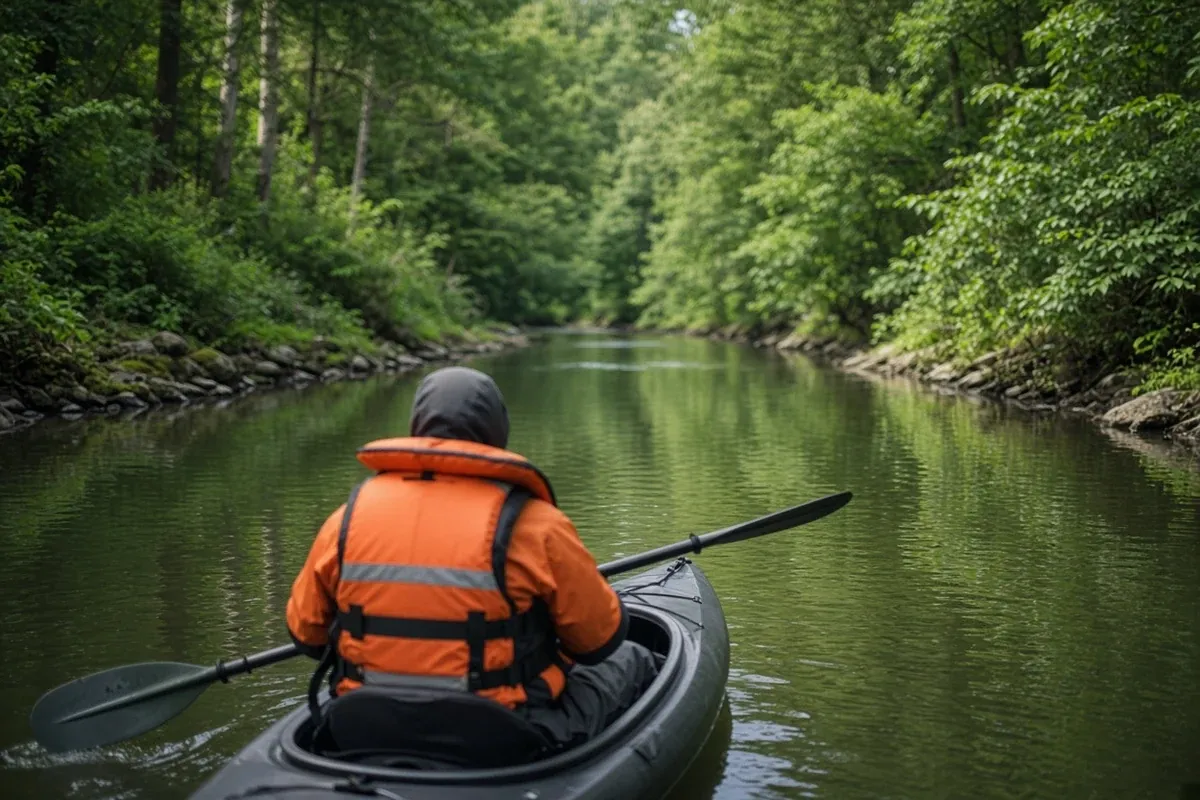
"It's now a nationwide requirement to wear a lifejacket on recreational vessels six metres and under.
"Southland boaties will already be familiar with this requirement, as we've had similar rules in place locally for some time. However, it's a good reminder that wearing a lifejacket remains one of the simplest and most effective ways to stay safe on the water.
"Conditions can change quickly on Southland's rivers, lakes and coast. Before every trip, check the marine forecast, tell someone where you're going and when you expect to return, and carry at least two ways to call for help.
"Make sure your vessel is well maintained, that everyone has a properly fitting lifejacket, and if you're the skipper, leave the alcohol until you're safely back on shore."