
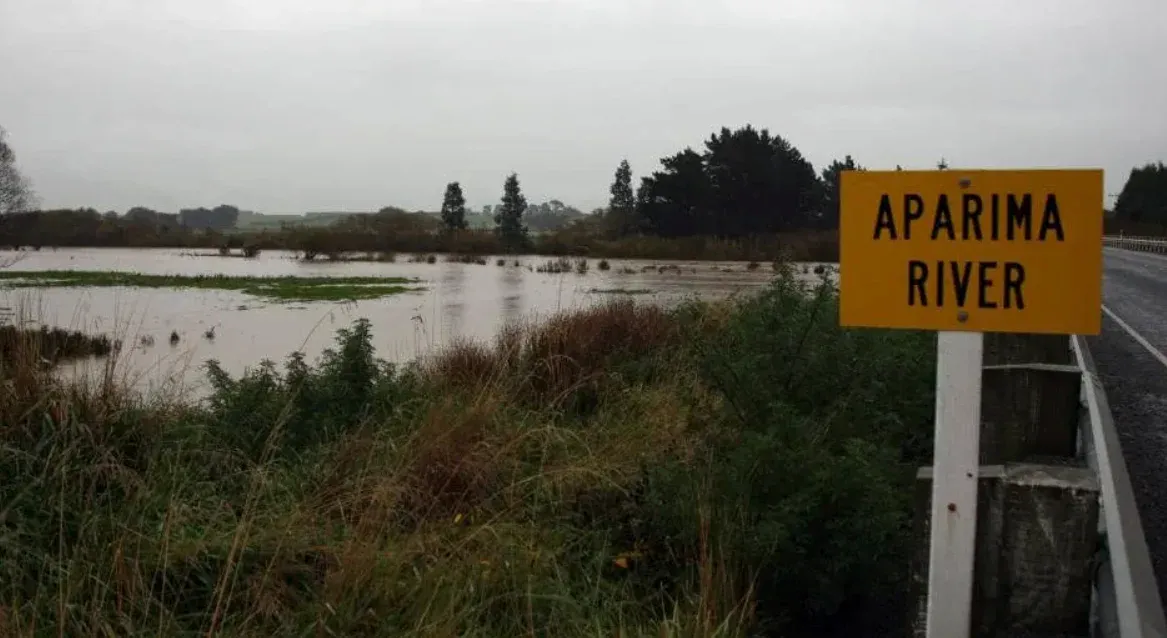
Environment Southland has identified toxic algae in the Aparima River at Thornbury, raising concerns for public safety and animal health in the area. The discovery follows routine monitoring, which found conditions suitable for algae growth in the river. Earlier in the week algae was reported in the Mataura river.
Algae are a natural part of freshwater ecosystems and often increase during periods of calm weather and steady river flows. While most algae are harmless, certain species can produce toxins that become dangerous when they multiply rapidly. These toxic blooms can pose serious risks if people or animals come into contact with them or accidentally ingest contaminated water.
The algae can usually be recognised as dark green or brown slime attached to rocks, or as dark brown to black mats along the edges of the water. Officials are urging anyone visiting rivers or streams to remain alert and avoid any visible algae.
Environment Southland has stressed that it cannot monitor every waterway at all times. As a result, similar toxic algae growth could be present in other rivers and streams throughout the region. River users are being encouraged to take a cautious approach and assume that algae may be present even if it has not been officially reported.
Exposure to toxic algae can lead to health issues for both humans and animals. Symptoms may occur after swallowing contaminated water or through skin contact. People who feel unwell after being in contact with river water are advised to seek medical attention immediately. Pet owners should be particularly careful, as dogs are at higher risk due to their tendency to drink from rivers or lick algae from their fur.
Authorities recommend keeping dogs on a lead near affected waterways and ensuring children stay away from areas where algae are visible. If an animal is suspected to have consumed toxic algae or contaminated water, it should be taken to a veterinarian without delay.
Environment Southland is encouraging the public to stay informed and learn how to recognise toxic algae. More information and updates are available on its website.