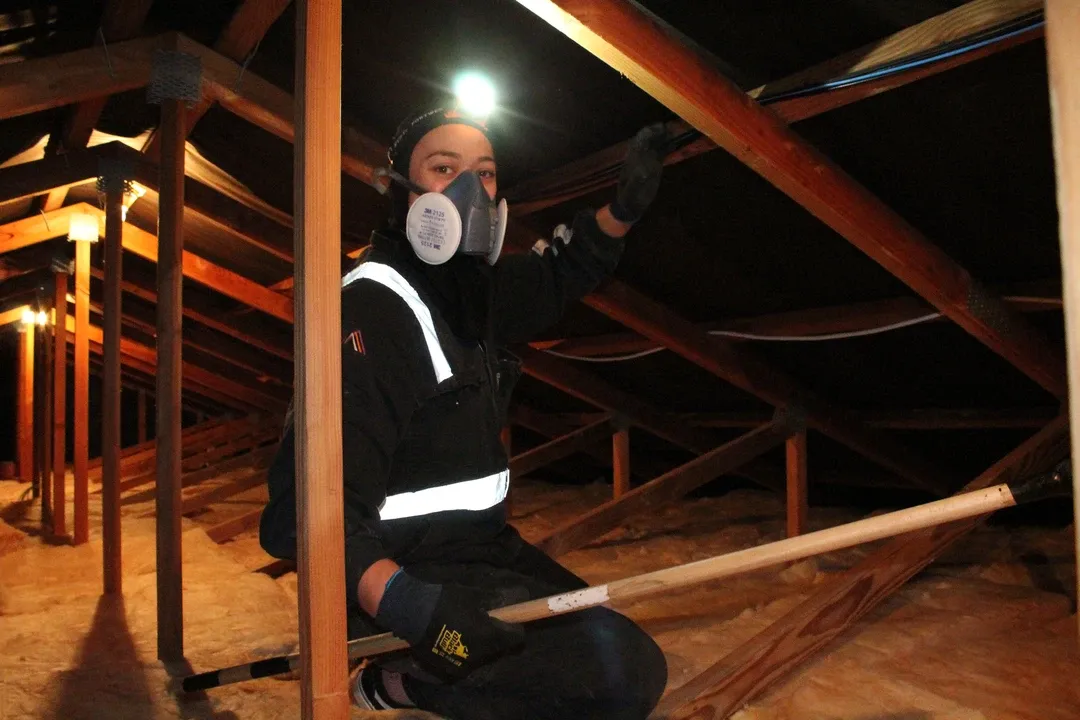
Thirteen thousand eight hundred Southland homes are warmer than they were. But roughly 16,500 still aren't.
The Southland Warm Homes Trust is marking 15 years of operation and celebrating the reach of the Warmer Kiwi Homes Programme — while being straight about how much work remains in one of New Zealand's coldest regions.
The numbers are solid. Since the Trust began, it has raised more than $8 million from local funders, trusts, community organisations, businesses, and councils — money that helped lever additional government investment into Southland. The result: 11,300 homes insulated, 2,500 fitted with heating improvements, and around 24 percent of Southland's roughly 46,761 dwellings upgraded in some form.
That's real. Cold houses make people sick, and Southland has some of the country's oldest housing stock to go with its coldest winters.
But the arithmetic is uncomfortable. Up to 16,500 homes in the region predate the insulation standards introduced in 1978 — standards that were modest even then. A quarter of homes improved over 15 years means three-quarters still waiting.
Southand Warm Homes Trust chair Stephen Canny didn't oversell it. "Warmer Kiwi Homes has delivered real and measurable benefits for households throughout Southland. Families are living in warmer homes, health outcomes have improved, and many households are finding it easier and more affordable to heat their homes."
Canny was generous toward the programme's backers. "We want to congratulate successive governments for their commitment to this programme and acknowledge the exceptional work of EECA in developing a robust delivery model that has consistently delivered positive outcomes for New Zealanders. The programme has become a world-class example of what can be achieved through strong partnerships and community delivery."
He also put the insulation story in broader context. "As a country, we've come a long way. There was a time when insulation was considered a luxury rather than an essential part of a healthy home. Today, we know that warm, dry homes are critical to the health and wellbeing of families."
But he didn't let the milestone become a finish line. "Programmes like Warmer Kiwi Homes have helped transform housing outcomes for many New Zealanders, but the journey is not complete. The job is not yet done."
The economic case, Canny argued, goes beyond the household. "The success of the programme demonstrates the value of continuing to invest in housing quality. Every insulated home represents a healthier living environment for a family, lower energy demand, and reduced pressure on health services."
"While we are proud of what has been achieved, there is still considerable work ahead. Thousands of Southland homes would benefit from insulation, efficient heating, and other energy efficiency measures. Ongoing government support will help ensure future generations can enjoy the same benefits many families are already experiencing."
The Trust isn't asking for credit. It's asking for continuation. "Southland continues to grow and evolve. As our communities grow, it is important that investment in healthy homes continues alongside that growth. Warm, healthy homes should not be a privilege. They should be the standard for every New Zealander."
Canny acknowledged the contractors, assessors, installers, iwi organisations, councils, and community groups who made the numbers possible. "This success belongs to many people. It is the result of government investment, local leadership, community support, and the hard work of people on the ground delivering real outcomes for families. Together we have achieved a great deal, and together we can achieve even more."
Share this article
The link has been copied!
Your link has expired. Please request a new one.
Your link has expired. Please request a new one.
Your link has expired. Please request a new one.
Great! You've successfully signed up.
Great! You've successfully signed up.
Welcome back! You've successfully signed in.
Success! You now have access to additional content.