
Parliament has taken a key step towards easing delays in the building consent system by progressing two Bills focused on improving efficiency and accountability in the construction industry.
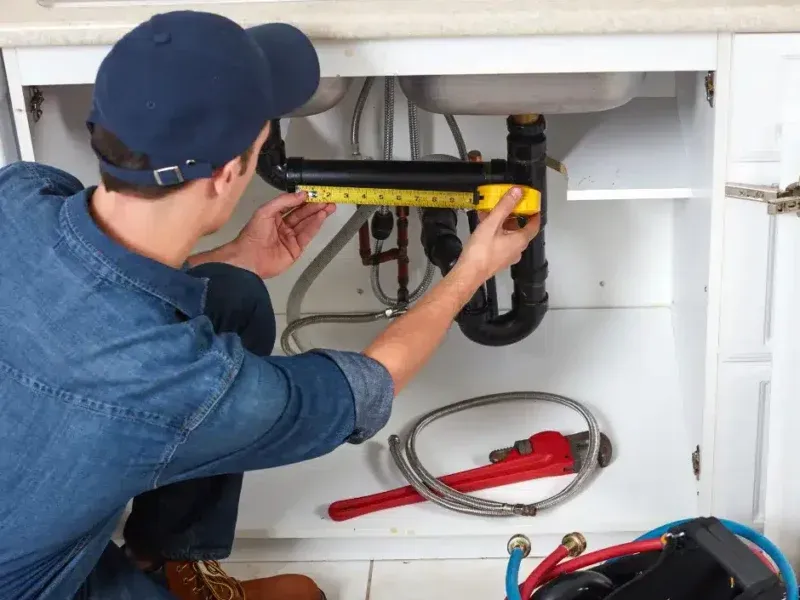
The Self Certification by Plumbers and Drainlayers Bill passed its first reading this week. If passed into law, it would allow experienced and qualified plumbers and drainlayers to sign off on their own straightforward residential work, without needing an inspection from a Building Consent Authority (BCA).
Building and Construction Minister Chris Penk said, “The Government is cutting red tape in the building consent system to make it easier and more affordable to deliver the new homes and infrastructure we need to raise living standards and grow the economy.”
He noted that inspection delays have long frustrated both tradespeople and homeowners, saying, “The system has long been slow and inefficient, with even straightforward plumbing and drainlaying jobs delayed by lengthy inspection wait times, leading to frustrated tradies and homeowners who end up bearing the cost of lost time.”
Under the proposed changes, only plumbers and drainlayers who meet strict criteria would be eligible for self-certification. The system would be voluntary and only apply to simple plumbing and drainage jobs, while BCAs would still oversee complex and higher-risk projects.
Penk added, “This approach has been long called for by Master Plumbers and aligns plumbers and drainlayers with electricians and gasfitters, who have been able to certify their own work for years.”
He estimates that most of the 16,000 standalone homes consented in 2024 included work that would qualify under the proposed regime.
Also passing its first reading is the Building and Construction (Strengthening Occupational Licensing Regimes) Amendment Bill, which focuses on raising professional standards and improving the disciplinary process for licensed building professionals.
According to Penk, “The Building and Construction Strengthening Occupational Licensing Regimes Amendment Bill will support self-certification by increasing accountability and ensuring consumers have a clear path forward if building work goes wrong.”
The Bill aims to give Registrars more tools to investigate complaints and hold professionals accountable. It also introduces new Codes of Ethics for licensed practitioners and allows for the publication of disciplinary actions.
“With these two Bills, we are backing tradies who take pride in their work, reducing unnecessary delays, easing pressure on the consent system, and giving Kiwis confidence that the people working on their homes are supported by clear checks and balances,” Penk said.
A separate Bill allowing self-certification for trusted building companies is expected in 2026.