NZ$100m Export Boost As Tiwai Restarts Line 4
Business news is presented by

Live & Local News and More! 24/7 What. When. Where.
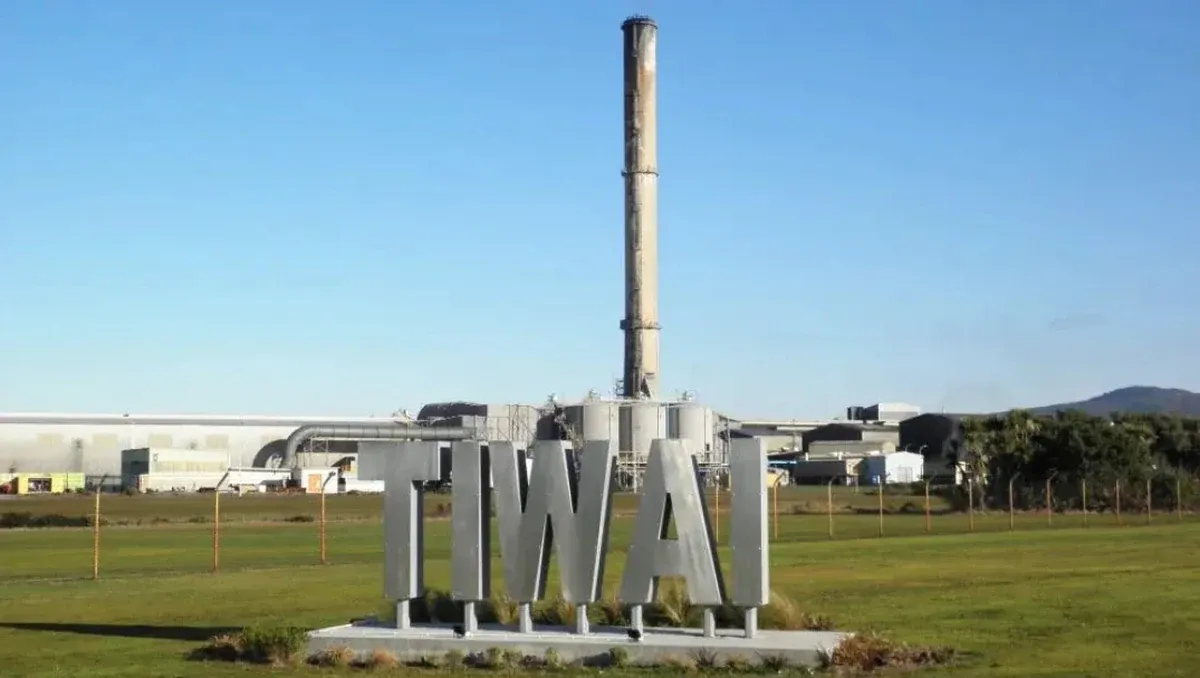
Rio Tinto will restart Line 4 at the Tiwai Point aluminium smelter after signing a three-and-a-half year, 50MW electricity agreement with Contact Energy.
The agreement will bring Line 4 back into operation backed by predominantly renewable energy. Once fully operational, the restart is expected to increase aluminium production by approximately 30,000 tonnes per year, restoring the smelter to a production capacity of approximately 360,000 tonnes per annum. That adds approximately three percent smelting capacity across Rio Tinto's Australia and New Zealand operations.
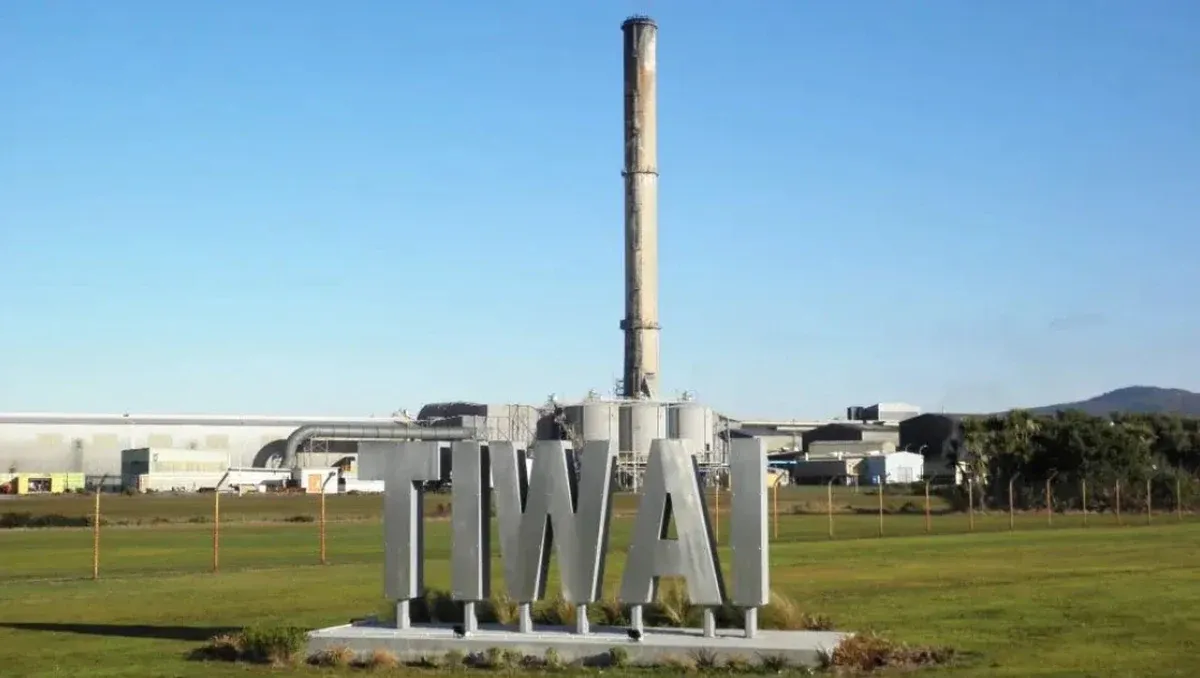
Based on current global spot aluminium prices, the restart could generate around NZ$100 million in additional annual export revenue for New Zealand.
Rio Tinto Aluminium Pacific Operations Managing Director Armando Torres said: "The restart of Line 4 will increase aluminium production at a time when demand for high quality, low carbon aluminium has never been higher. This agreement reinforces Rio Tinto's commitment to our operations in New Zealand, which are an important part of our integrated aluminium operations globally."
Rio Tinto New Zealand Aluminium Smelters General Manager Michelle Henderson said: "This agreement enables an early restart of Line 4 while the parties continue to discuss a longer-term power purchase agreement that could see Line 4 operate for the next two decades at least. This is great news for the Southland and wider New Zealand economies."
The restart is expected to commence in October 2027, following operational preparations and commissioning activities, with full production expected by December 2027. The contract allows for a reduction in supply to 25MW over winter months to ensure there is no impact on New Zealand's broader energy security during that period.
The bridging agreement builds on a Letter of Intent between Contact Energy and Rio Tinto announced earlier this year. Line 4 has been idle since April 2020, following the impact of the COVID-19 pandemic on global industrial markets and a period of uncertainty about the long-term future of the smelter. Since then, Rio Tinto has secured long-term electricity supply arrangements into the next decades.