
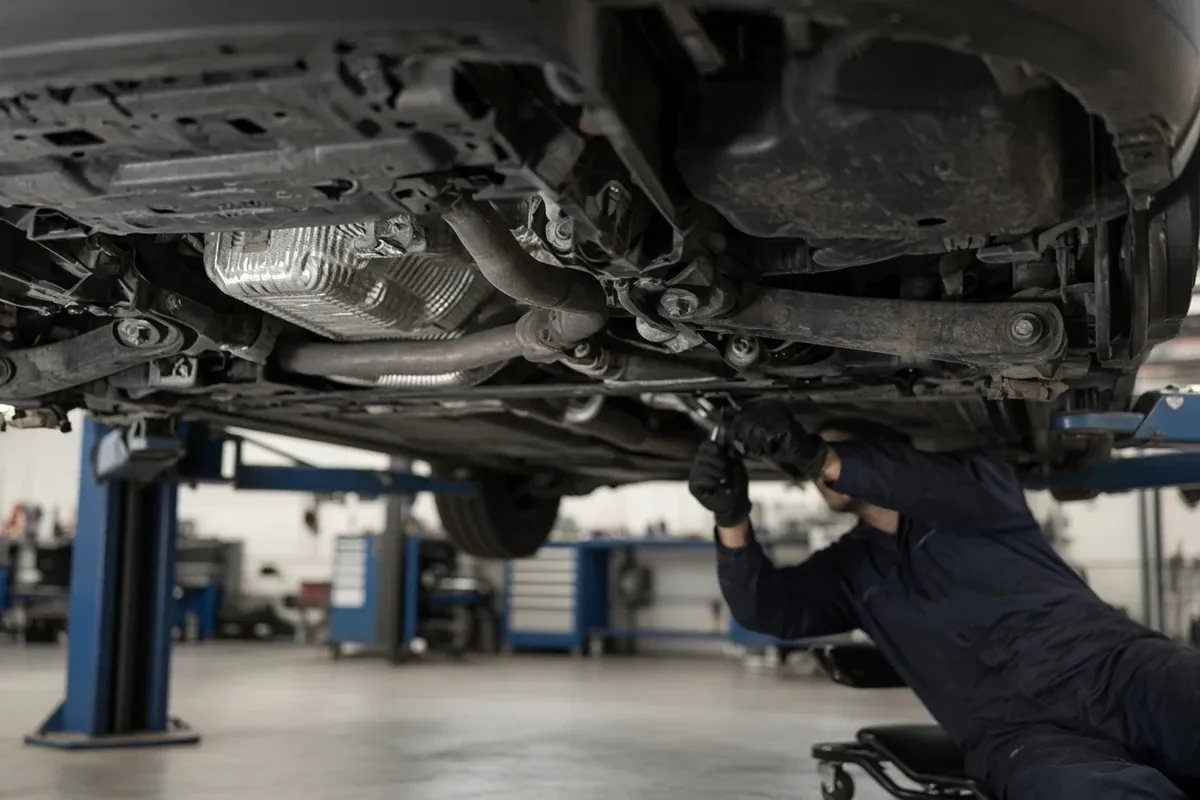
Warrant of Fitness rules for many New Zealand vehicles change from Sunday, with longer periods between inspections for some cars and steeper fines for those caught with expired or unsafe ones.
From Sunday November 1, light vehicles — broadly any vehicle under 3.5 tonnes, so most cars, utes, vans and SUVs — move to extended WoF intervals under a phased rollout. New cars won't need their first WoF until the vehicle is four years old. Cars aged four to 14 years will shift to a WoF every two years, phased in gradually through 2027. Cars over 14 years old still need one each year. Motorcycles over four years old also stay on annual checks, as do rental vehicles that require a Certificate of Fitness.
The phase-in works like this: from Sunday, light vehicles first registered on or after November 1, 2019 can get a warrant every two years. From November 1, 2027, cars first registered between November 1, 2013 and October 31, 2019 will also move to two-yearly checks. Your current warrant's expiration date does not change — the new frequency kicks in after your next inspection.
Transport Minister Chris Bishop introduced the changes last April, saying they would bring New Zealand in line with countries including Japan and Australia. "Warrant of fitness go longer next month"
"Compared to other countries, New Zealand has very frequent inspections for light vehicles," he said.
"Modern light vehicles are significantly safer and more reliable, but our rules haven't kept pace, imposing unnecessary costs on motorists."
Bishop has pointed to significant projected savings from the changes.
"These simple changes will deliver massive benefits for Kiwis. The cost-benefit analysis shows the changes are expected to deliver between $2.6 billion and $4.1 billion in net benefits over 30 years through reduced inspection fees, less time spent on compliance, and fewer unnecessary repairs."
The changes also bring higher penalties. If a WoF has been expired for more than two months, the infringement fee rises from $200 to $350. For wheels or tyres that fail safety requirements, the fee goes from $150 to $350, and a court can now impose a fine of up to $1000 for unsafe wheels or tyres.
Not everyone is comfortable with the extended intervals. "MTA says government has got WOF changes wrong" Motor Trade Association head of advocacy James McDowall warned recently it could lead to more unsafe vehicles on the road.
"Problems just compound over time," he told RNZ's Morning Report. "If tyres are not being looked at, not only are these major safety concerns, but those tyres will get worse, then you'll have implications on your brakes.
"And if they're not addressed in that 12-month window, if they're left to get worse, and suddenly you're looking at brake pads, into rotors, potential suspension problems, and so... it might save you $70 one check, but the repairs themselves could be much worse."
NZTA head of vehicle regulation Geoff Williamson said regular maintenance by owners is key to avoiding issues.
"Regular maintenance can stop small issues becoming serious safety problems. Check your tyres, lights, indicators, windscreen wipers and mirrors at least once a month and before a long trip.
"You also need to check that your brakes are working well, and that rust isn't affecting the safety of your vehicle. If you notice a problem, get it checked by a qualified mechanic."
The AA's road safety spokesperson Dylan Thomsen wrote recently that AA members were split evenly between those for and against the WoF changes.
"We recognise that many Members will welcome less time spent booking and attending inspections, however, vehicle owners will need to become more vigilant," he wrote.
The AA also noted it was wary about extending the first WoF for new vehicles to four years, saying a vehicle's age is not always a good indication of how it has been maintained or how much it is being used.
"A current WoF doesn't replace regular safety checks and servicing," Williamson said. "Don't wait until your next inspection to fix a safety issue."
NZTA said it will soon launch a campaign to help people understand how to do basic safety checks. Read more: NZTA's tips on checking your vehicle.
"The AA hopes that it does not lead to fewer safe cars on the road; it will be vital that the government monitors the real-world impacts closely to make sure safety stays strong," Thomsen wrote.