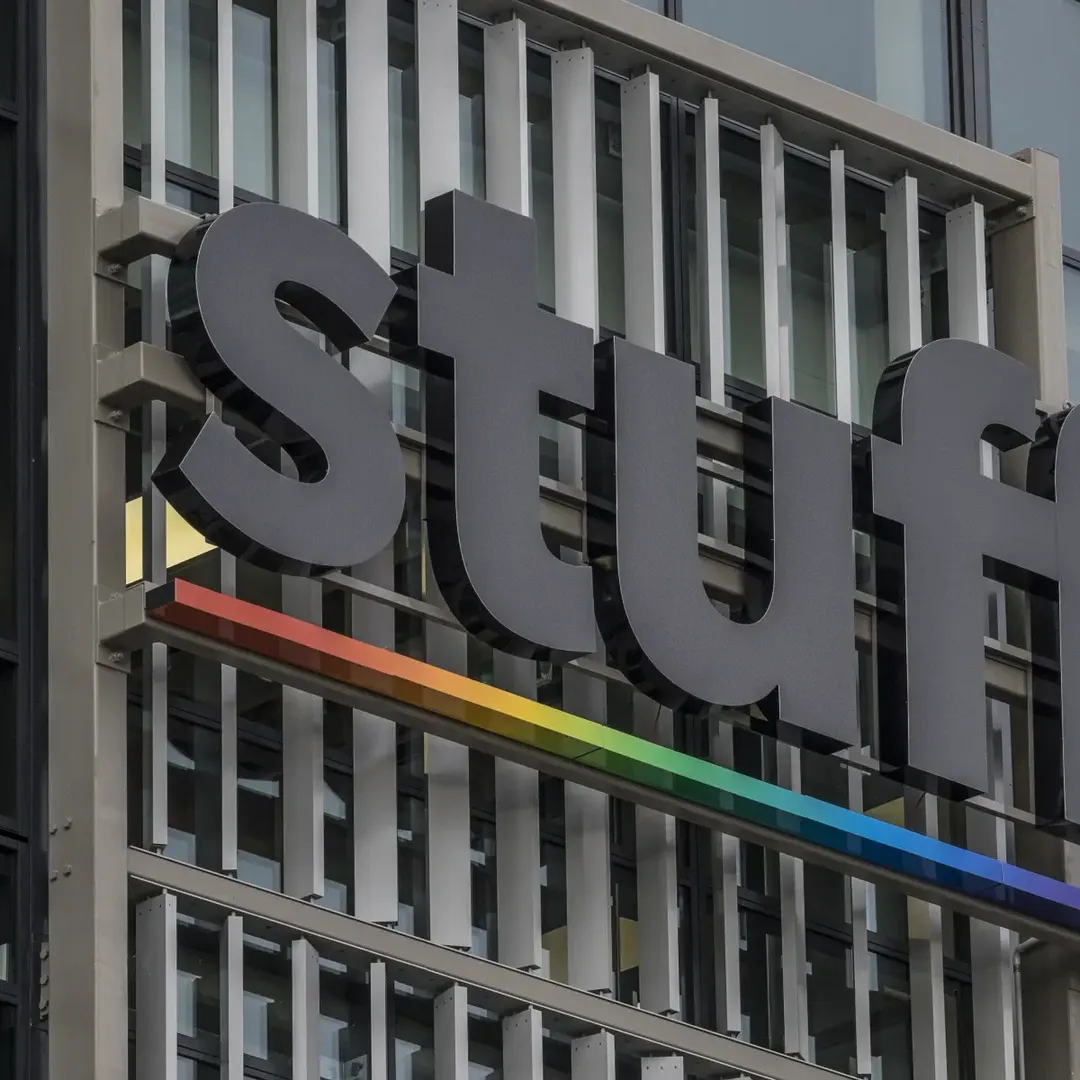
Left leaning media company Stuff Digital has begun consulting with staff over a proposal that could cut up to ten editorial roles from its digital newsroom — with journalists, reporters, and editors all in the firing line.
The media company called affected staff into meetings on Wednesday, where Stuff Digital editor in chief Keith Lynch, HR, and an E tū union representative outlined the proposal. Staff had been emailed the day before, advised a meeting was coming and that no decisions had been made.
The proposal would reduce Stuff Digital's editorial team from 75 to 65 roles. Specifically, 19 journalist and reporter positions would be consolidated into 11, six editor roles cut to three, and four platform editor roles removed entirely — along with a multimedia content producer role and the chief daily editor role. The company says the changes would "simplify" the newsroom and make greater use of technology-assisted production.
While Stuff Group's editorial headcount is more than 300 across the wider group — including Masthead Publishing, which runs titles like The Post, The Press, and the Sunday Star-Times — this proposal is understood to directly affect a team of about 30 people at Stuff Digital. Up to eight staff could ultimately lose their jobs.
The company also says the proposal includes investment in new roles in its In-Depth journalism team and specialist content areas.
Stuff Digital became a separate entity in 2024 when Stuff Group split into two divisions. Last year, Trade Me announced it was taking a 50 percent stake in Stuff Digital. Stuff Group owner and chief executive Sinead Boucher famously purchased Stuff from Australian owners Nine Entertainment for $1 in 2020.
Union E tū, which represents affected workers, isn't impressed. Director Mat Danaher put it plainly: "Having a properly resourced team of journalists and editors is the best guarantee of accurate, distinctive and high-quality news. Technological change can support that work, but it should not be used to create a false sense of efficiency through staff cuts. Fewer journalists and editors inevitably means less capacity to cover stories, scrutinise those in power and produce the journalism New Zealanders rely on."
E tū says it will work alongside affected members throughout the consultation process, ensuring their views are heard and that they can respond collectively. The union acknowledges the media landscape is changing — but insists that any proposed changes require genuine consultation, clear information, and proper recognition of workers' skills and experience.
Consultation is now underway. No final decisions have been made.
For communities already watching their local news shrink like a cheap wool jersey in a hot wash, the direction of travel is hard to miss.
Share this article
The link has been copied!
Your link has expired. Please request a new one.
Your link has expired. Please request a new one.
Your link has expired. Please request a new one.
Great! You've successfully signed up.
Great! You've successfully signed up.
Welcome back! You've successfully signed in.
Success! You now have access to additional content.