
News
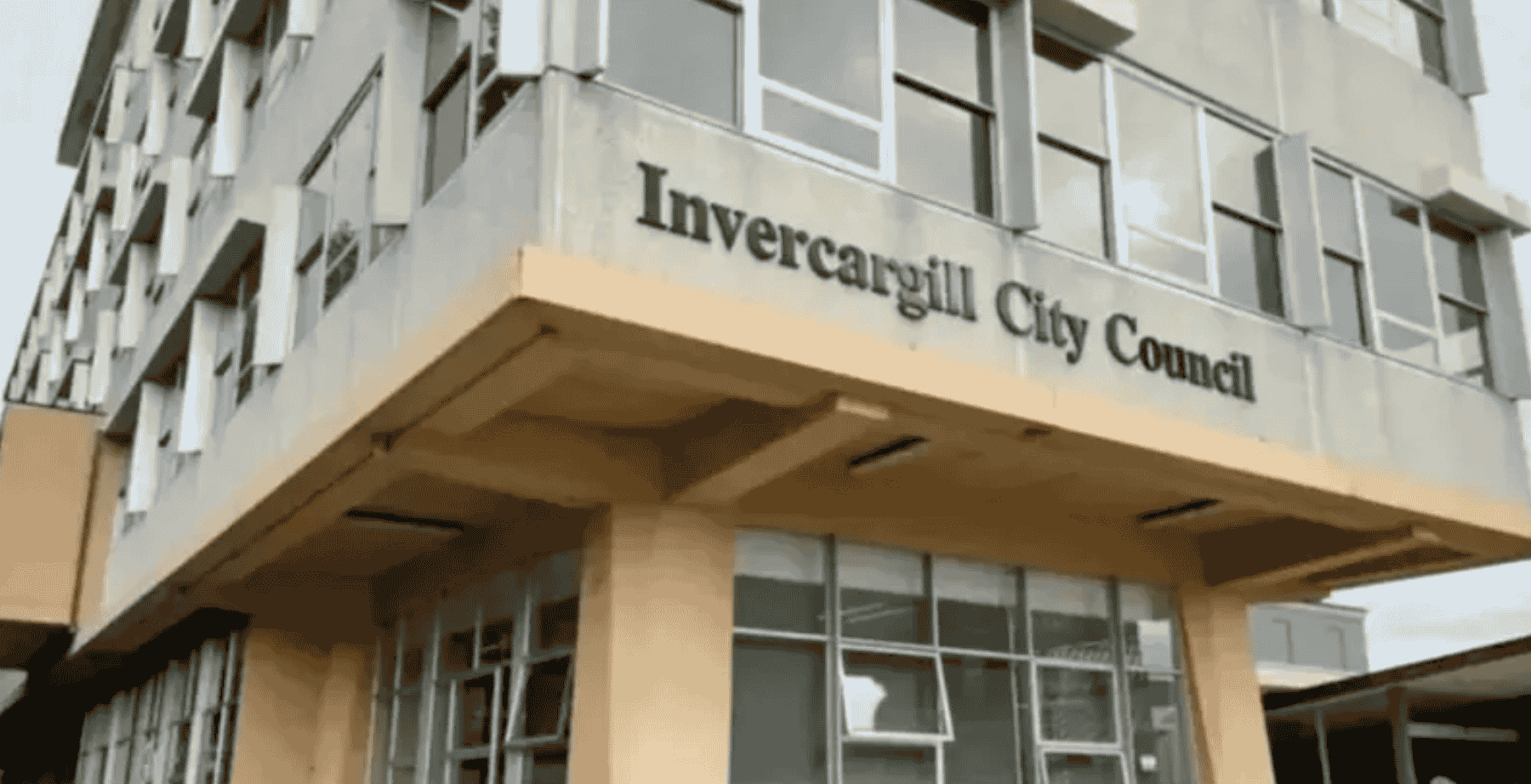
Invercargill City Council has officially adopted its annual report, outlining the highs and lows of the 2024–25 financial year.
Chief executive Michael Day opened his commentary in the report by stating it had been a “challenging financial year”.
He explained that the council had faced high local government inflation, increasing workloads and regulatory changes that affected operations.
Despite this, Day noted the council had managed to deliver on 71 percent of its service levels, “down just 1 percent from last year”.
The report covers a range of developments between November 2024 and June 2025. Achievements included the opening of Bluff Adventure Park, progress on the Te Unua Museum of Southland, Queens Park receiving national accreditation, the continued roll-out of CCTV systems, and ongoing infrastructure improvements.
Financial figures show the council’s total assets have risen to $1.56 billion, with liabilities recorded at $182.1 million. Rates revenue has gradually increased over the past five years, while subsidies and grants have declined since the 2021–22 financial year.
At Tuesday’s council meeting, Mayor Tom Campbell said adopting the annual report was “one of the weightiest accountabilities for a council”.
He acknowledged that the past year had presented several challenges but said, “we’ve balanced progress with prudence, and that’s something to be proud of.”
The report also outlined the council’s partnership work with rūnaka and its continued collaboration with Te Ao Mārama Inc to meet legal requirements and address the needs and interests of Takata Whenua.
A short overview of the city was also included. Invercargill is home to around 57,600 people, with the wider district covering nearly 50,000 hectares.
The region enjoys a mild climate, with an average yearly temperature of 9.9 degrees Celsius and about 1,614 sunshine hours annually. Rainfall is evenly distributed throughout the year, with an average annual total of 1,112mm.