
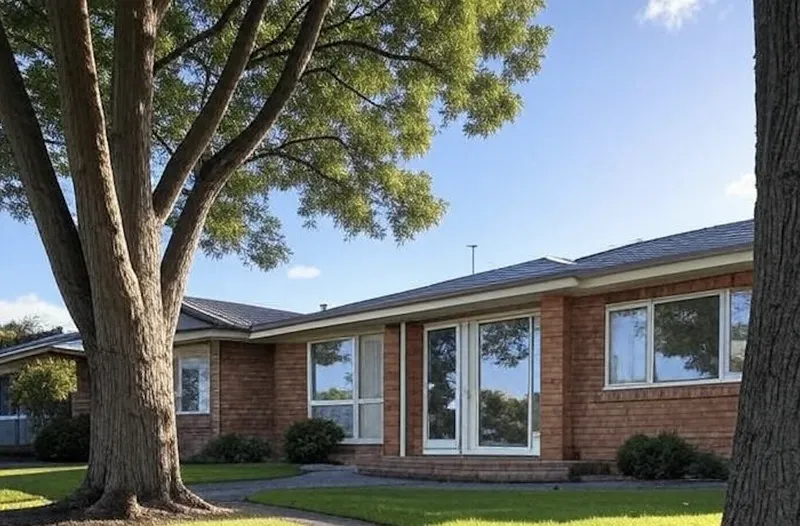

Property owners across the Gore District will soon receive updated rating valuations in the post, with new figures revealing steady overall residential values, a softer rural market, and continued industrial strength.
Prepared for Gore District Council by Quotable Value (QV), the updated values cover 6,993 properties and are based on market conditions as of 1 July 2025. The district’s total rateable value is now $5.59 billion—up 2.8% since the last valuation in 2022—while land values increased slightly by 0.4%.
QV Lead Valuer Brendan Tancredi said the overall stability hides significant variation across property types. “On the surface the district looks relatively steady, but when you drill into the different sectors there’s been quite a bit of variation – especially between residential, lifestyle and the rural sector.”
Residential Sector Shows Growth
Home values in Gore have increased by 10–15% since mid-2023, with demand from first-home buyers and investors keeping the market buoyant. Entry-level and modern homes performed best, while older, larger family homes saw weaker demand due to rising interest rates. Smaller townships like Mandeville and Waikaka also recorded modest value growth, while Mataura remained largely flat.
Gore Mayor Ben Bell welcomed the steady rise in values, saying, “It’s good to see steady increases in the Gore district while housing still remains affordable.” He noted that Gore’s affordability continues to attract families and businesses.
Commercial and Industrial Strength
Commercial and industrial properties now make up 9.4% of the district’s value. Commercial values grew by 9.6%, while industrial values jumped 14.3%. Mr Tancredi said strong leases and location are driving investment. Industrial confidence, led by owner-occupiers, reflects optimism in the rural economy.
Mayor Bell said Gore’s connectivity, workforce, and location support its role as a regional agricultural hub. “This confidence is reinforced by ongoing investment in infrastructure and services that support business growth.”
Lifestyle and Rural Markets Slower
Lifestyle properties, making up 10% of district value, have grown just 4.6% on average. While modern and entry-level properties have stayed strong, an oversupply of vacant blocks has pulled land values back slightly.
Pastoral properties, representing over a quarter of district value, declined by 8.7% on average. Mr Tancredi said, “It’s been a tough few years for many sheep and beef farmers in particular,” citing high costs, compliance, and low returns. Dairy land values stayed steady, with 0.9% growth and strong buyer confidence supported by commodity prices and upcoming Fonterra dividends.
Mayor Bell said that despite some rural decline, Gore’s mix of affordability, location, and growth signals a positive outlook.
New rating valuations will be mailed after 10 December 2025. Property owners can object to their valuations until 30 January 2026.