
Environment
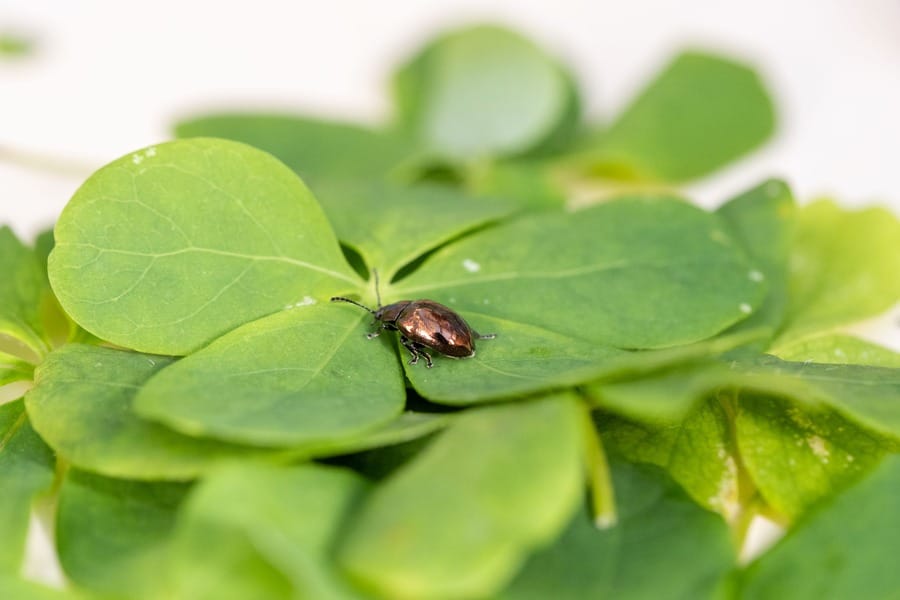
Environment Southland has welcomed a decision by the Environmental Protection Authority to approve the release of Blaptea elguetai, a leaf-feeding beetle that will help control the invasive Chilean flame creeper.
The approval is seen as an important step in tackling one of the region’s most aggressive pest plants. Chilean flame creeper, also known by its scientific name Tropaeolum speciosum, spreads quickly and smothers native vegetation. It is well established across Southland, Otago and Canterbury, and is increasingly appearing in parts of the North Island and the Chatham Islands.
Environment Southland Biosecurity Team Leader Plants Jolie Hazley said the ruling provides a valuable long-term solution.
“Chilean flame creeper has become a significant threat to Murihiku Southland’s biodiversity. The EPA’s approval means we now have an environmentally responsible, long-term tool that will help reduce its impact across the region and beyond.”
The beetle works by feeding on the plant’s leaves, weakening it over time. Officials say biological control adds to existing methods such as hand-pulling and herbicide use, which can be labour-intensive, risk damaging nearby plants and often fail to reach difficult areas.
“Biocontrol agents give us another tool in the toolbox. They complement the more traditional control methods such as hand-pulling and applying herbicides which can be labour-intensive, can damage surrounding vegetation, and often fail to reach inaccessible areas.”
Environment Southland applied for approval late last year on behalf of the National Biocontrol Collective, with Manaaki Whenua – Landcare Research providing scientific support. The organisation has previously released biocontrol insects in Southland to manage broom, ragwort and thistles.
“Biological control is a well-established and safe method for managing invasive weeds in New Zealand. We have already released biocontrol insects in Southland for broom, ragwort and thistles to help reduce the harm these pests cause.”
Hazley said the beetle would not completely remove the weed but would help bring it under control.
“Biocontrol won’t eradicate the plant entirely, but it will reduce its vigour and spread to an acceptable level. This means healthier native ecosystems and less ongoing pressure on landowners and councils to control infestations.”
Environment Southland will now work with national partners to plan the beetle’s release in Southland, with further releases expected across New Zealand once mass rearing is complete.